header-message-1

Odbiory osobiste: Magazyn SapoSpa
Mikołaja Reja 110/H31 55-010 Smardzów

need info

Tel.: 694 305 060

Email: sklep@sapospa.pl

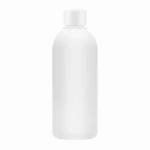
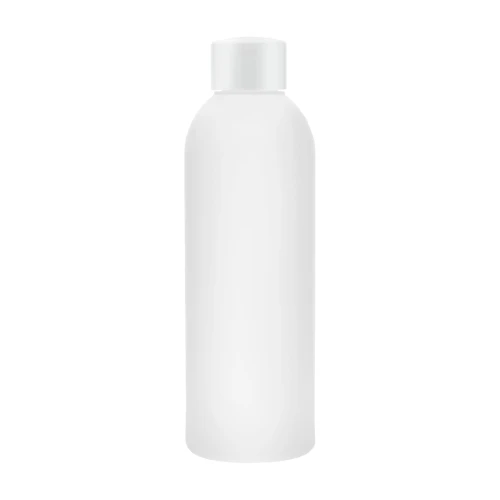
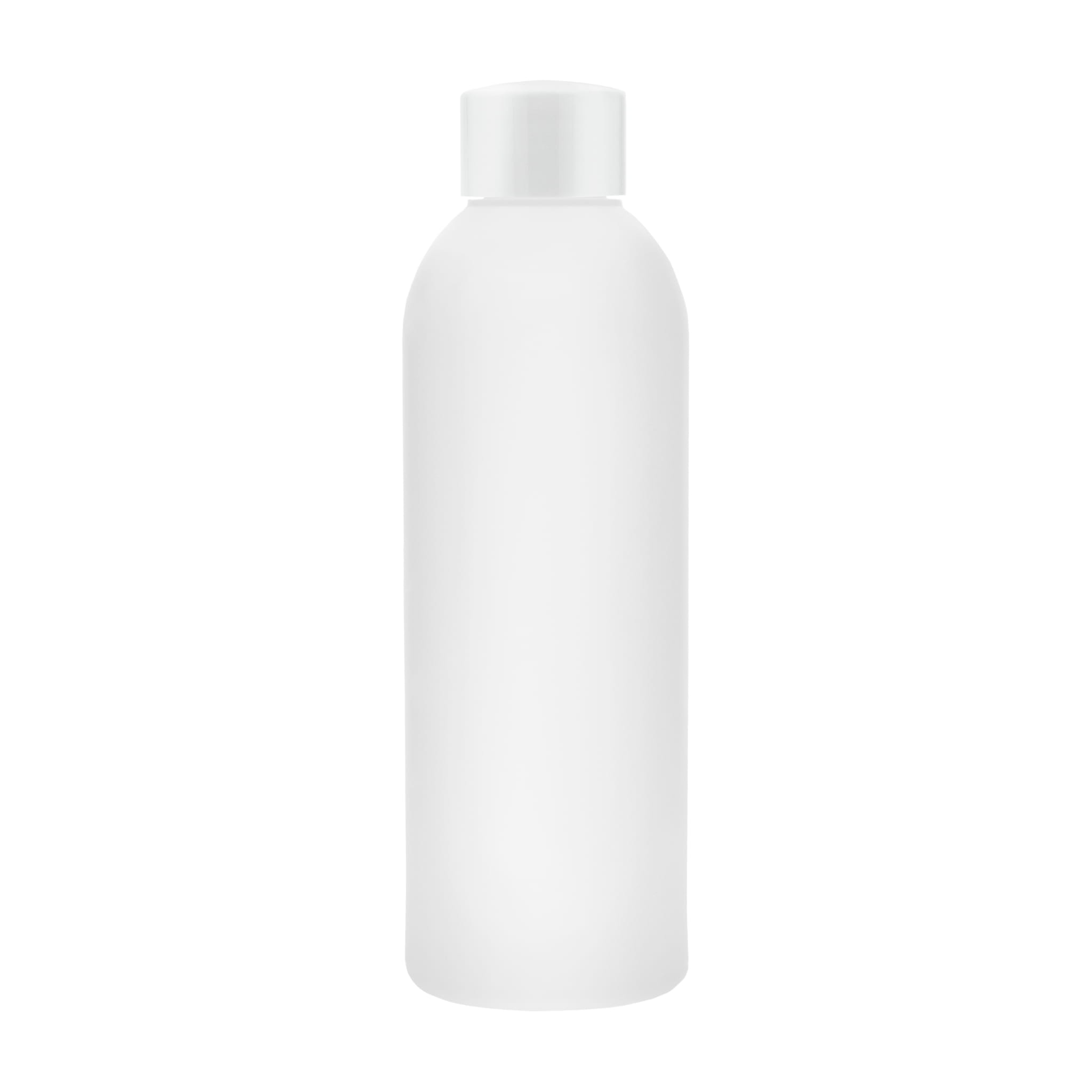
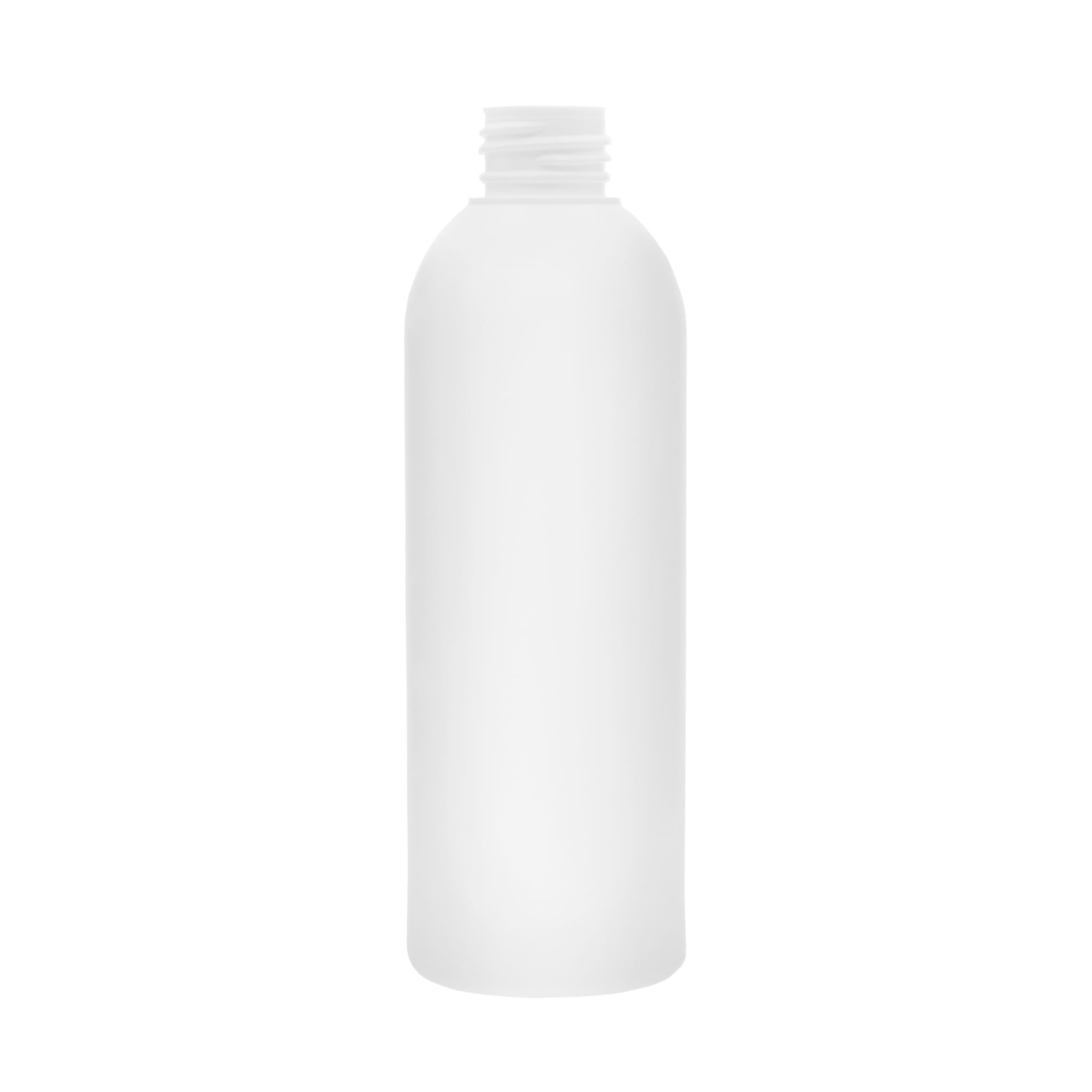
250 ml HDPE bottle with a white plastic cap

Vendor: SapoSpa
Availability: duża ilość
Dispatched within: 3 dni
Price: €0.45 0.45
Net price: €0.37
quantity szt.

product unavailable

Product code: C1BF-7833C_20230221190217

250 ml HDPE Bottle with White Cap 24/410 is a durable, versatile packaging solution designed for cosmetics, personal care products, household chemicals and selected technical applications. The white HDPE bottle provides a clean, attractive appearance, while the smooth PP screw cap allows the contents to be securely closed.

The bottle features the classic BR – Boston Round shape, a 250 ml capacity and a 24/410 neck finish. The white HDPE bottle can be used for products such as toners, emulsions, hairdressing preparations, glycerine, cleaning agents, concentrates and technical fluids. Its regular body also provides a practical surface for product labelling.

Description

250 ml HDPE Bottle with White Cap 24/410

The 250 ml HDPE bottle with a white cap is a versatile packaging solution for cosmetic, personal care, chemical and technical products. The white bottle and matching white closure create a clean, minimalist look suitable for a wide range of product lines.

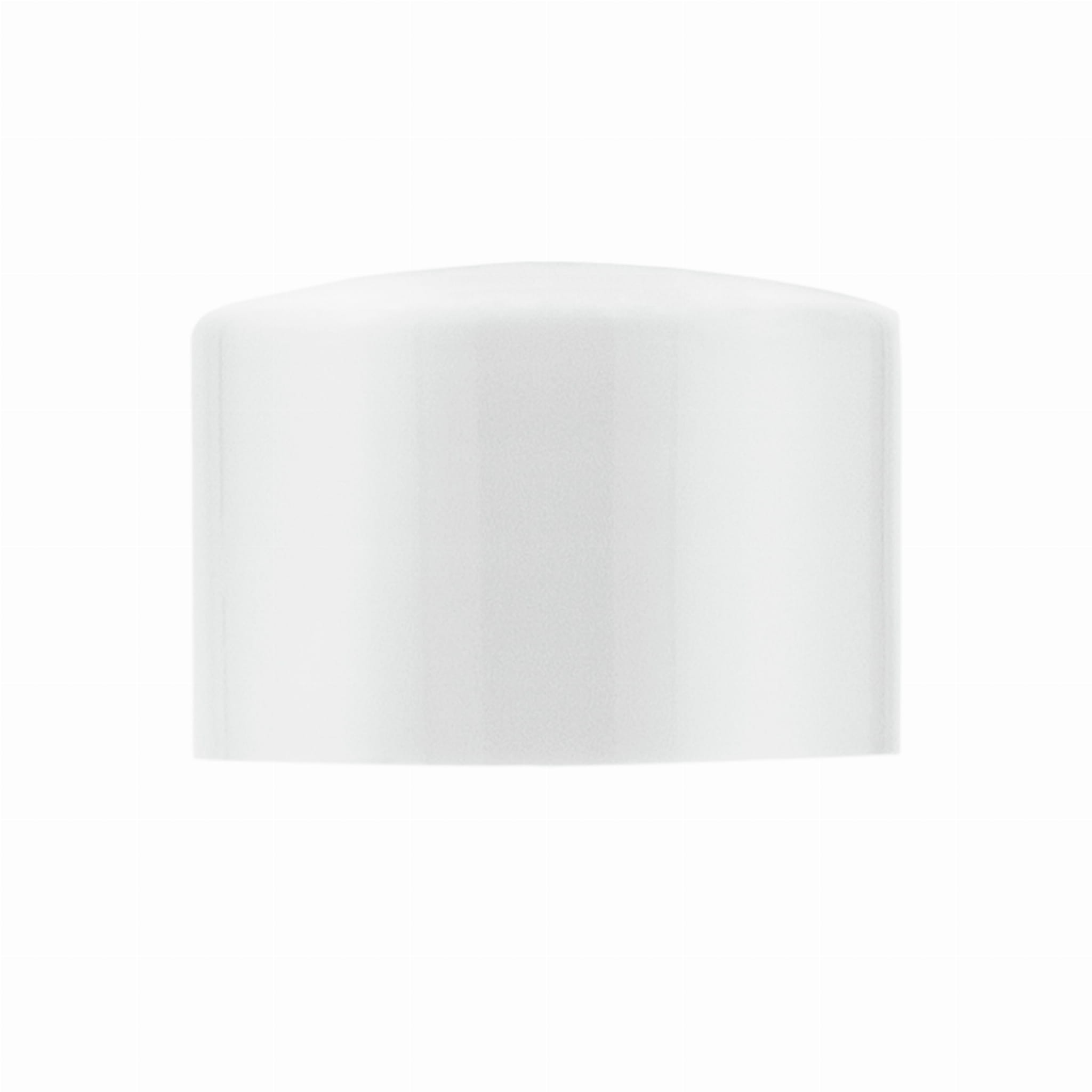
The bottle is made from HDPE, while the smooth cap is made from PP. Both components feature a 24/410 thread. The BR – Boston Round – shape gives the bottle its classic rounded profile, making it convenient to handle, store and label.

Key Product Features

  • 250 ml capacity
  • Durable HDPE material
  • White bottle
  • White PP cap
  • 24/410 neck finish
  • BR – Boston Round shape
  • Round, stable base
  • Smooth screw cap
  • Easy opening and closing
  • Practical surface for product labels
  • Lightweight packaging
  • Suitable for various industries
  • Clean, consistent colour scheme
  • Suitable for liquids and selected dry products

Material and Its Properties

HDPE is a plastic material commonly used to manufacture plastic bottles for cosmetics, chemicals and general-purpose products. It offers good mechanical strength and resistance to many substances, making it suitable for products that require durable packaging for storage and transport.

The white bottle conceals the contents while providing a neutral background for product labels and brand identity. It works well for minimalist cosmetic designs as well as packaging for professional and technical preparations.

HDPE offers resistance to alcohol and many chemicals. However, compatibility with the specific formulation should always be tested before use.

Design, Shape and Practical Use

The bottle features the classic BR – Boston Round shape. Its rounded body and circular base create a versatile design commonly used for a variety of cosmetic, chemical and technical products.

The bottle measures 158 mm in height and 51 mm in width. Its slender proportions make it easy to handle despite its 250 ml capacity. The body also provides space for a label displaying the product name, logo, directions for use, ingredients and any required information.

The 250 ml capacity is a practical option for products intended for regular use, while keeping the overall packaging relatively compact.

Dispensing and Application

The set includes a white smooth 24/410 screw cap, which closes the bottle neck and helps protect the contents during storage.

Once the cap is unscrewed, the product can be poured or dispensed directly from the bottle. This solution is particularly suitable for preparations that do not require a pump, spray nozzle or other dispensing mechanism.

The bottle can be used for:

  • Toners
  • Glycerine
  • Personal care fluids
  • Emulsions
  • Hairdressing preparations
  • Cleaning agents
  • Concentrates
  • Technical fluids
  • Workshop preparations
  • Selected dry products

The dispensing method should always be suited to the consistency and characteristics of the specific product.

Thread, Closure and Component Compatibility

The bottle features a 24/410 neck finish, matched to the smooth PP screw cap. The cap screws directly onto the bottle neck, allowing the packaging to be opened and closed repeatedly.

The thread specification is one of the key factors when selecting a closure for a bottle. If you plan to use a different closure instead of the cap supplied, check its actual compatibility with the specific bottle model.

The combination of a white bottle and white cap creates a consistent, neutral appearance that can be coordinated with the product label and overall brand identity.

Capacity, Dimensions and Practical Significance

The 250 ml HDPE bottle measures 158 mm in height and 51 mm in width. It weighs 21 g, making it lightweight and convenient for storage, order preparation and everyday handling.

Bottle specifications:

  • Capacity: 250 ml
  • Height: 158 mm
  • Width: 51 mm
  • Weight: 21 g
  • Neck finish: 24/410
  • Material: HDPE
  • Colour: White
  • Shape: BR
  • Base: Round

The 250 ml capacity is suitable for both consumer products and preparations used in professional settings. Before designing a label, it is advisable to measure the actual labelling area on a physical bottle.

Technical Specifications

Bottle

  • Capacity: 250 ml
  • Neck finish: 24/410
  • Material: HDPE
  • Colour: White
  • Height: 158 mm
  • Width: 51 mm
  • Base shape: Round
  • Bottle shape: BR
  • Weight: 21 g

Cap

  • Type: Smooth screw cap
  • Thread: 24/410
  • Material: PP
  • Colour: White

What’s Included

The set consists of a white 250 ml HDPE bottle and a white smooth PP 24/410 screw cap. The matching colours create a visually consistent package suitable for a wide range of product categories.

HDPE Bottle

The bottle body is made from HDPE. Its rounded BR shape provides a comfortable grip, while the stable circular base helps the bottle stand on shelves, countertops and inside outer packaging.

White PP Cap

The smooth cap is made from PP and designed to fit the 24/410 neck finish. It allows the bottle to be opened and closed repeatedly and helps protect the contents between uses.

Suitable Products and Industries

Cosmetics and Personal Care

The 250 ml HDPE bottle with cap can be used to package a variety of cosmetic and personal care preparations.

Examples include:

  • Toners
  • Cosmetic emulsions
  • Hair conditioners
  • Hairdressing preparations
  • Glycerine
  • Personal care fluids
  • Professional cosmetics
  • Selected body care products

The white bottle provides a neutral base for developing a distinctive product and brand identity.

Household Chemicals

HDPE is often selected for packaging household chemicals and general-purpose products. The 250 ml plastic bottle may be suitable for:

  • Detergents
  • Cleaning agents
  • Concentrates
  • General-purpose preparations
  • Multi-purpose cleaning products
  • Selected household cleaning fluids

In every case, compatibility between the specific formulation and both HDPE and PP should be verified beforehand.

Technical and Industrial Applications

250 ml HDPE bottles may also be suitable for preparations used in workshops, manufacturing facilities and other professional environments.

Examples include:

  • Technical preparations
  • Service fluids
  • Preservatives and maintenance products
  • Process additives
  • Workshop preparations
  • General-purpose concentrates
  • Selected industrial fluids

The compact capacity makes this bottle a convenient individual packaging option for specialist products.

Dry Products

The bottle may also be used for selected dry products, provided their properties and dispensing requirements are compatible with the packaging design.

Examples include:

  • Powders
  • Granules
  • Pigments
  • Process additives
  • Selected dry substances

Before using the bottle for a particular product, check material compatibility and confirm that the contents can be poured out conveniently through the bottle neck.

250 ml HDPE Bottle for Cosmetics

A 250 ml capacity is often practical for cosmetic products intended for regular use. The white HDPE bottle can be used for personal care preparations, hairdressing products, emulsions, toners and glycerine.

The opaque white body provides a neutral background for the label, allowing you to create anything from a minimalist design to a more detailed professional product identity.

250 ml HDPE Bottle for Chemicals and Technical Preparations

HDPE is also used in packaging for household chemicals and technical products. The 250 ml capacity can be practical for concentrates, workshop preparations, cleaning agents and specialist products that are not required in large quantities for each application.

Given the wide variety of chemical formulations, compatibility between the specific preparation and both HDPE and PP must always be checked before the packaging is introduced into use.

Why Choose This Packaging?

The 250 ml HDPE bottle with white 24/410 cap combines a practical capacity, lightweight construction and versatile appearance. The Boston Round shape provides a classic profile, while the uniform white finish offers flexibility when designing the label and an entire product range.

Key advantages:

  • Durable HDPE bottle
  • Practical 250 ml capacity
  • White smooth screw cap
  • 24/410 neck finish
  • BR – Boston Round shape
  • Round, stable base
  • Lightweight construction – 21 g
  • Clean white finish
  • Practical labelling surface
  • Suitable for liquids
  • Suitable for selected dry products
  • Applications across the cosmetic, chemical and technical sectors
  • Convenient storage and warehousing
  • Professional, versatile appearance

Safety
100 ml cylindrical HDPE atomizer, smooth black, 24/410

€0.40

net: €0.32

szt.
100 ml cylindrical HDPE bottle with spout applicator

€0.33

net: €0.27

szt.
100 ml cylindrical HDPE bottle 24/410

€0.23

net: €0.19

szt.
50 ml cylindrical HDPE bottle, 24/410 aluminium cap

€0.39

net: €0.31

szt.
50 ml cylindrical HDPE bottle with a black flip-top cap

€0.32

net: €0.26

szt.
50 ml cylindrical HDPE bottle, clear dropper applicator, 24/410

€0.30

net: €0.24

Related products

up
Shop is in view mode
View full version of the site

Branże i zastosowania

Butelka HDPE 250 ml z nakrętką plastikową białą 24/410

Branże i zastosowanie

Butelka HDPE 250 ml z białą nakrętką 24/410 to trwałe i uniwersalne opakowanie przeznaczone do odpowiednio dobranych kosmetyków, preparatów pielęgnacyjnych, chemii gospodarczej, produktów technicznych oraz wybranych substancji sypkich. Biały korpus HDPE w połączeniu z białą nakrętką PP tworzy spójne, minimalistyczne opakowanie odpowiednie zarówno do sprzedaży detalicznej, jak i zastosowań profesjonalnych.

Pojemność 250 ml sprawdza się przy produktach codziennego użytku, a kształt BR – Boston Round – zapewnia wygodny chwyt oraz praktyczną powierzchnię do umieszczenia etykiety.

Branża kosmetyczna i beauty

Butelka HDPE do kosmetyków może być wykorzystywana m.in. do:

  • toników,

  • emulsji kosmetycznych,

  • odżywek do włosów,

  • gliceryny,

  • preparatów fryzjerskich,

  • płynów pielęgnacyjnych,

  • kosmetyków profesjonalnych,

  • wybranych preparatów do pielęgnacji ciała.

Jednolita biała kolorystyka pozwala stworzyć estetyczne opakowanie, które można uzupełnić etykietą dopasowaną do identyfikacji wizualnej marki.

Branża chemiczna

Tworzywo HDPE jest wykorzystywane do produkcji opakowań przeznaczonych do wielu preparatów chemicznych i użytkowych. Butelka plastikowa 250 ml może znaleźć zastosowanie m.in. do:

  • detergentów,

  • środków czyszczących,

  • koncentratów,

  • płynów technicznych,

  • środków uniwersalnych,

  • preparatów warsztatowych,

  • wybranych produktów chemii gospodarczej.

Branża techniczna i przemysłowa

Butelki plastikowe HDPE mogą być wykorzystywane również do odpowiednio dobranych produktów technicznych i przemysłowych, takich jak:

  • preparaty techniczne,

  • płyny serwisowe,

  • środki konserwujące,

  • dodatki technologiczne,

  • preparaty warsztatowe,

  • koncentraty użytkowe.

Pojemność 250 ml sprawdza się zarówno jako docelowe opakowanie produktu, jak i przy mniejszych porcjach preparatów wykorzystywanych profesjonalnie.

Produkty sypkie

Butelka może być wykorzystywana również do wybranych produktów sypkich, takich jak:

  • proszki,

  • granulaty,

  • pigmenty,

  • dodatki technologiczne,

  • dodatki chemiczne.

Przed zastosowaniem opakowania do konkretnego produktu należy sprawdzić kompatybilność zawartości z materiałami HDPE i PP oraz zweryfikować szczelność kompletnego zestawu.

Najważniejsze cechy

Najważniejsze cechy

Butelka HDPE 250 ml 24/410 została wykonana z trwałego tworzywa HDPE i wyposażona w gładką białą nakrętkę PP. Jednolita kolorystyka nadaje opakowaniu czysty, profesjonalny wygląd, natomiast kształt BR zapewnia wygodne użytkowanie.

Parametry butelki

  • pojemność: 250 ml,

  • gwint: 24/410,

  • materiał: HDPE,

  • kolor: biały,

  • wysokość: 158 mm,

  • szerokość: 51 mm,

  • kształt podstawy: koło,

  • kształt opakowania: BR – Boston Round,

  • waga: 21 g.

Parametry nakrętki

  • typ: nakrętka gładka,

  • gwint: 24/410,

  • materiał: PP,

  • kolor: biały.

Trwałe tworzywo HDPE

HDPE to materiał wykorzystywany w produkcji profesjonalnych opakowań plastikowych do kosmetyków, chemii gospodarczej i preparatów technicznych. Charakteryzuje się dobrą odpornością chemiczną oraz trwałością podczas codziennego użytkowania.

Jednolita biała kolorystyka

Biały korpus oraz biała nakrętka tworzą spójne wizualnie opakowanie. Neutralna kolorystyka dobrze współpracuje z różnymi projektami etykiet i może być wykorzystana zarówno przy produktach kosmetycznych, jak i profesjonalnych preparatach użytkowych.

Gwint 24/410

Butelka oraz dołączona nakrętka posiadają gwint 24/410, dzięki czemu tworzą dopasowany zestaw. W przypadku zastosowania innego zamknięcia lub aplikatora należy wcześniej sprawdzić jego kompatybilność z konkretnym modelem butelki.

Kształt BR – Boston Round

Zaokrąglony kształt BR zapewnia wygodny chwyt oraz klasyczny wygląd opakowania. Regularny korpus tworzy również praktyczną powierzchnię pod etykietę zawierającą logo, nazwę produktu, skład, instrukcję stosowania lub pozostałe informacje produktowe.

Zestaw

Zestaw

Zestaw składa się z białej butelki HDPE o pojemności 250 ml oraz białej gładkiej nakrętki PP 24/410.

W zestawie:

  • 1 × butelka HDPE 250 ml,

  • 1 × biała nakrętka PP 24/410.

Butelka

Butelka została wykonana z trwałego tworzywa HDPE. Jej zaokrąglony kształt BR poprawia wygodę chwytu, a pojemność 250 ml zapewnia uniwersalne zastosowanie przy produktach kosmetycznych, użytkowych i technicznych.

Biała powierzchnia stanowi neutralną bazę dla etykiety i identyfikacji wizualnej produktu.

Nakrętka

Gładka biała nakrętka wykonana z PP umożliwia zamknięcie butelki oraz wygodne wielokrotne otwieranie i zamykanie opakowania. Gwint 24/410 jest dopasowany do gwintu butelki.

Połączenie białej butelki i białego zamknięcia nadaje całemu zestawowi jednolity, minimalistyczny wygląd.

FAQ

FAQ – Butelka HDPE 250 ml z białą nakrętką

1. Do jakich produktów można wykorzystać butelkę HDPE 250 ml?

Butelka HDPE 250 ml może być wykorzystywana do odpowiednio dobranych kosmetyków, produktów pielęgnacyjnych, preparatów chemicznych, środków technicznych oraz wybranych produktów sypkich. Potencjalne zastosowania obejmują m.in. toniki, emulsje kosmetyczne, glicerynę, odżywki do włosów, preparaty fryzjerskie, detergenty, środki czyszczące, koncentraty, płyny serwisowe oraz preparaty warsztatowe. Opakowanie może znaleźć zastosowanie również przy proszkach, pigmentach czy granulatach. Przed seryjnym wykorzystaniem należy sprawdzić kompatybilność konkretnego produktu z HDPE i PP oraz przetestować szczelność kompletnego opakowania.

2. Jakie wymiary ma butelka HDPE 250 ml?

Butelka ma 158 mm wysokości i 51 mm szerokości, a jej masa wynosi 21 g. Pojemność opakowania to 250 ml. Model posiada okrągłą podstawę oraz kształt BR – Boston Round. Takie proporcje zapewniają smukłą, wygodną w użytkowaniu konstrukcję i pozwalają wykorzystać korpus do umieszczenia etykiety produktowej. Wymiary warto uwzględnić podczas projektowania etykiet, opakowań zbiorczych oraz kartonów transportowych. Pojemność 250 ml sprawdza się przy wielu produktach przeznaczonych do regularnego użytkowania, dlatego butelka może znaleźć zastosowanie zarówno w sprzedaży detalicznej, jak i przy preparatach profesjonalnych.

3. Z czego wykonana jest butelka i biała nakrętka?

Korpus butelki wykonano z HDPE, natomiast białą gładką nakrętkę z tworzywa PP. HDPE jest trwałym materiałem stosowanym w produkcji opakowań do kosmetyków, preparatów użytkowych oraz wielu produktów chemicznych i technicznych. Nakrętka PP stanowi dopasowane zamknięcie dla gwintu 24/410. Jednolita biała kolorystyka obu elementów nadaje zestawowi neutralny i profesjonalny wygląd. Właściwości poszczególnych formulacji mogą się jednak znacząco różnić, dlatego przed zastosowaniem opakowania dla konkretnego produktu należy przeprowadzić test kompatybilności zawartości z materiałem butelki i zamknięcia.

4. Jaki gwint ma butelka HDPE 250 ml?

Butelka posiada gwint 24/410. Taki sam gwint ma znajdująca się w zestawie biała nakrętka PP, dzięki czemu oba elementy tworzą dopasowany komplet. Informacja o rodzaju gwintu jest również istotna, jeżeli producent planuje wykorzystać inne zamknięcie lub system aplikacji. Samo oznaczenie 24/410 nie powinno być jednak jedynym kryterium doboru alternatywnego elementu. W przypadku pompki, atomizera lub innego zamknięcia warto przed zamówieniem większej partii sprawdzić fizyczne dopasowanie, szczelność oraz prawidłowe działanie całego zestawu z docelowym produktem.

5. Czy butelka HDPE z białą nakrętką nadaje się do kosmetyków?

Opakowanie może być stosowane do odpowiednio dobranych kosmetyków oraz preparatów pielęgnacyjnych. Butelka HDPE do kosmetyków może znaleźć zastosowanie m.in. przy tonikach, emulsjach, odżywkach do włosów, glicerynie, płynach pielęgnacyjnych oraz preparatach fryzjerskich. Biały korpus zapewnia neutralne tło dla etykiety produktowej, a biała nakrętka tworzy z nim spójną wizualnie całość. Przed rozpoczęciem seryjnego konfekcjonowania kosmetyku należy jednak sprawdzić zgodność konkretnej formulacji z HDPE i PP. Ma to znaczenie szczególnie w przypadku preparatów zawierających składniki mogące oddziaływać na materiał opakowania.

6. Czy butelka HDPE 250 ml może być stosowana do chemii gospodarczej?

HDPE jest materiałem często wykorzystywanym do produkcji opakowań dla preparatów chemicznych i użytkowych. Butelka może więc znaleźć zastosowanie m.in. przy odpowiednio dobranych detergentach, środkach czyszczących, koncentratach, preparatach technicznych czy środkach warsztatowych. Nie oznacza to jednak automatycznej kompatybilności z każdą substancją chemiczną. Znaczenie mają skład produktu, jego stężenie, temperatura, przewidywany okres przechowywania oraz warunki transportu. Dlatego przed wdrożeniem opakowania do produkcji należy wykonać test z konkretną formulacją i sprawdzić zarówno zachowanie korpusu HDPE, jak i szczelność nakrętki PP.

7. Czy w butelce można przechowywać produkty sypkie?

Butelka plastikowa HDPE może być wykorzystywana również do odpowiednio dobranych produktów sypkich, takich jak proszki, granulaty, pigmenty czy dodatki technologiczne. Przy takim zastosowaniu należy uwzględnić nie tylko pojemność 250 ml, ale także wielkość otworu butelki, granulację substancji oraz jej gęstość nasypową. Różne produkty o tej samej masie mogą zajmować zupełnie inną objętość, dlatego pojemność wyrażona w mililitrach nie określa bezpośrednio masy produktu, jaka zmieści się w opakowaniu. Przed wyborem butelki do konkretnego proszku lub granulatu warto wykonać próbę napełnienia oraz sprawdzić wygodę późniejszego opróżniania opakowania.

8. Czy butelka HDPE 250 ml nadaje się pod etykietę?

Kształt BR – Boston Round – zapewnia praktyczną powierzchnię, którą można wykorzystać do aplikacji etykiety produktowej. Na etykiecie można umieścić logo marki, nazwę produktu, skład, sposób stosowania, ostrzeżenia oraz inne wymagane informacje. Biała powierzchnia butelki tworzy neutralne tło i pozwala zastosować różne projekty graficzne – od minimalistycznych po bardziej rozbudowane. Przed zamówieniem większej partii etykiet warto przeprowadzić próbę na fizycznej butelce. Pozwala to sprawdzić rzeczywisty rozmiar etykiety, jej ułożenie na zaokrąglonym korpusie oraz przyczepność zastosowanego materiału do powierzchni HDPE.

9. Jakie zalety ma kształt BR – Boston Round?

Kształt BR – Boston Round jest charakterystyczny dla wielu opakowań kosmetycznych, chemicznych i technicznych. Zaokrąglony korpus zapewnia wygodny chwyt, a okrągła podstawa pozwala stabilnie ustawić butelkę na płaskiej powierzchni. W przypadku tego modelu pojemność 250 ml połączono z wysokością 158 mm oraz szerokością 51 mm. Regularna konstrukcja zapewnia również powierzchnię przeznaczoną pod etykietę i identyfikację wizualną produktu. Uniwersalny charakter formy sprawia, że butelka HDPE 250 ml może być wykorzystana zarówno przy produktach konsumenckich, jak i preparatach przeznaczonych do zastosowań profesjonalnych.

10. Co należy sprawdzić przed seryjnym wykorzystaniem butelki?

Przed rozpoczęciem seryjnego napełniania butelki HDPE 250 ml należy przede wszystkim sprawdzić kompatybilność docelowego produktu z materiałami HDPE i PP. Warto wykonać test szczelności kompletnego opakowania, sprawdzić jego zachowanie w przewidywanym okresie przechowywania oraz uwzględnić temperaturę i warunki transportowe. Przy produktach płynnych szczególnie istotne jest sprawdzenie szczelności po zamknięciu nakrętki. W przypadku produktów sypkich należy dodatkowo zweryfikować wygodę napełniania i opróżniania butelki. Testy najlepiej przeprowadzić z rzeczywistą formulacją produktu przed zamówieniem i przygotowaniem większej partii gotowych opakowań.

Industries and Applications

250 ml HDPE Bottle with White Plastic Cap 24/410

Industries and Applications

The 250 ml HDPE bottle with white 24/410 cap is a durable, versatile packaging solution for compatible cosmetics, personal care preparations, household chemicals, technical products and selected dry substances. The white HDPE body paired with a white PP cap creates a consistent, minimalist package suitable for both retail and professional applications.

The 250 ml capacity is practical for everyday products, while the BR – Boston Round – shape provides a comfortable grip and a useful surface for product labelling.

Cosmetics and Beauty

The HDPE bottle for cosmetics can be used for:

  • Toners

  • Cosmetic emulsions

  • Hair conditioners

  • Glycerine

  • Hairdressing preparations

  • Personal care fluids

  • Professional cosmetics

  • Selected body care preparations

The uniform white colour scheme provides an attractive base for a label designed to match your brand identity.

Chemical Industry

HDPE is used to manufacture packaging for a wide range of chemical and general-purpose preparations. The 250 ml plastic bottle may be suitable for:

  • Detergents

  • Cleaning agents

  • Concentrates

  • Technical fluids

  • Multi-purpose products

  • Workshop preparations

  • Selected household chemical products

Technical and Industrial Applications

HDPE plastic bottles may also be used for compatible technical and industrial products, such as:

  • Technical preparations

  • Service fluids

  • Preservatives and maintenance products

  • Process additives

  • Workshop preparations

  • General-purpose concentrates

The 250 ml capacity works well both as final product packaging and for smaller quantities of preparations used in professional settings.

Dry Products

The bottle may also be suitable for selected dry products, including:

  • Powders

  • Granules

  • Pigments

  • Process additives

  • Chemical additives

Before using the packaging for a specific product, check its compatibility with HDPE and PP and verify the seal performance of the complete assembled package.

Key Features

Key Features

The 250 ml HDPE bottle with 24/410 neck finish is made from durable HDPE and supplied with a smooth white PP cap. The uniform colour scheme gives the packaging a clean, professional appearance, while the BR shape supports convenient everyday handling.

Bottle Specifications

  • Capacity: 250 ml

  • Neck finish: 24/410

  • Material: HDPE

  • Colour: White

  • Height: 158 mm

  • Width: 51 mm

  • Base shape: Round

  • Bottle shape: BR – Boston Round

  • Weight: 21 g

Cap Specifications

  • Type: Smooth screw cap

  • Thread: 24/410

  • Material: PP

  • Colour: White

Durable HDPE Material

HDPE is a material used to manufacture professional plastic packaging for cosmetics, household chemicals and technical preparations. It offers good chemical resistance and durability during everyday use.

Uniform White Colour Scheme

The white bottle and white cap create a visually consistent package. The neutral colour scheme works well with a variety of label designs and is suitable for cosmetic products as well as professional general-purpose preparations.

24/410 Neck Finish

The bottle and supplied cap both feature a 24/410 thread, creating a matched set. If you plan to use a different closure or dispensing component, check its compatibility with the specific bottle model beforehand.

BR – Boston Round Shape

The rounded BR shape provides a comfortable grip and a classic packaging appearance. The regular bottle body also offers a practical surface for a label displaying the logo, product name, ingredients, directions for use and other product information.

Set and Compatible Closures

Set Contents

The set consists of a white 250 ml HDPE bottle and a white smooth PP 24/410 screw cap.

Included in the Set

  • 1 × 250 ml HDPE bottle

  • 1 × white PP 24/410 cap

Bottle

The bottle is made from durable HDPE. Its rounded BR shape makes it comfortable to hold, while the 250 ml capacity offers versatile applications for cosmetic, general-purpose and technical products.

The white surface provides a neutral base for the product label and brand identity.

Cap

The smooth white PP cap closes the bottle and allows it to be opened and closed repeatedly. Its 24/410 thread matches the bottle neck.

The combination of a white bottle and white closure gives the complete set a uniform, minimalist appearance.

FAQ

FAQ – 250 ml HDPE Bottle with White Cap

1. What products can the 250 ml HDPE bottle be used for?

The 250 ml HDPE bottle may be used for compatible cosmetics, personal care products, chemical preparations, technical products and selected dry goods. Potential applications include toners, cosmetic emulsions, glycerine, hair conditioners, hairdressing preparations, detergents, cleaning agents, concentrates, service fluids and workshop preparations. The packaging may also be suitable for powders, pigments and granules. Before using it for production, check the compatibility of the specific product with HDPE and PP and test the seal performance of the complete package.

2. What are the dimensions of the 250 ml HDPE bottle?

The bottle measures 158 mm in height and 51 mm in width and weighs 21 g. Its capacity is 250 ml. The model has a round base and a BR – Boston Round – shape. These proportions create a slender, easy-to-handle design and provide a surface for product labelling. Consider the dimensions when designing labels, outer packaging and shipping cartons. The 250 ml capacity is suitable for many products intended for regular use, making the bottle a potential choice for both retail products and professional preparations.

3. What materials are the bottle and white cap made from?

The bottle body is made from HDPE, while the smooth white cap is made from PP. HDPE is a durable material used to manufacture packaging for cosmetics, general-purpose preparations and many chemical and technical products. The PP cap is designed to fit the 24/410 neck finish. The matching white colours give the set a neutral, professional appearance. However, the properties of individual formulations can vary considerably, so compatibility between the contents and both packaging materials should be tested before use.

4. What neck finish does the 250 ml HDPE bottle have?

The bottle has a 24/410 neck finish. The supplied white PP cap has the same thread specification, making the two components a matched set. This information is also important if you plan to use a different closure or dispensing system. However, the 24/410 designation alone should not be the only criterion when selecting an alternative component. If you intend to use a pump, spray nozzle or another closure, check the physical fit, seal performance and correct operation of the complete set with the intended product before placing a larger order.

5. Is the HDPE bottle with white cap suitable for cosmetics?

The packaging may be used for compatible cosmetic and personal care preparations. The HDPE bottle for cosmetics may be suitable for toners, emulsions, hair conditioners, glycerine, personal care fluids and hairdressing preparations. The white body provides a neutral background for the product label, while the white cap creates a visually consistent finish. Before starting large-scale cosmetic filling, however, check the compatibility of the specific formulation with HDPE and PP. This is particularly important for preparations containing ingredients that may interact with packaging materials.

6. Can the 250 ml HDPE bottle be used for household chemicals?

HDPE is commonly used to manufacture packaging for chemical and general-purpose preparations. The bottle may therefore be suitable for compatible detergents, cleaning agents, concentrates, technical preparations and workshop products. However, this does not mean it is automatically compatible with every chemical substance. Factors include the product's composition and concentration, temperature, intended storage period and transport conditions. Before introducing the packaging into production, test it with the specific formulation and check both the HDPE bottle body and the seal provided by the PP cap.

7. Can the bottle be used to store dry products?

The HDPE plastic bottle may also be suitable for compatible dry products such as powders, granules, pigments and process additives. When considering this application, take into account not only the 250 ml capacity but also the bottle opening, particle size and bulk density of the substance. Different products with the same mass can occupy very different volumes, so the capacity in millilitres does not directly determine how much product by weight will fit inside. Before selecting the bottle for a particular powder or granulate, carry out a filling trial and check whether the contents can be emptied conveniently.

8. Is the 250 ml HDPE bottle suitable for labelling?

The BR – Boston Round – shape provides a practical surface for applying a product label. The label can display the brand logo, product name, ingredients, directions for use, warnings and other required information. The white surface creates a neutral background that works with a variety of graphic designs, from minimalist to more detailed. Before ordering a large batch of labels, test one on a physical bottle. This allows you to check the actual label dimensions, how it sits on the rounded body and how well the chosen label material adheres to the HDPE surface.

9. What are the advantages of the BR – Boston Round shape?

The BR – Boston Round shape is commonly used for cosmetic, chemical and technical packaging. Its rounded body provides a comfortable grip, while the circular base allows the bottle to stand on a flat surface. This model combines a 250 ml capacity with a height of 158 mm and a width of 51 mm. Its regular design also provides a surface for product labelling and brand identification. Thanks to its versatile appearance, the 250 ml HDPE bottle may be suitable for both consumer products and preparations intended for professional use.

10. What should be checked before using the bottle for production?

Before starting large-scale filling of the 250 ml HDPE bottle, first check the compatibility of the intended product with both HDPE and PP. Test the seal performance of the complete package, assess how it performs over the intended storage period, and consider the expected temperature and transport conditions. For liquids, it is particularly important to check the seal after tightening the cap. For dry products, also verify that the bottle can be filled and emptied conveniently. Ideally, conduct these tests using the actual product formulation before ordering and preparing a larger batch of finished packaging.

Sklep internetowy Shoper.pl