header-message-1

Odbiory osobiste: Magazyn SapoSpa
Mikołaja Reja 110/H31 55-010 Smardzów

need info

Tel.: 694 305 060

Email: sklep@sapospa.pl

250 ml HDPE bottle 24/410

Vendor: SapoSpa
Availability: duża ilość
Dispatched within: 3 dni
Price: €0.39 0.39
Net price: €0.32
quantity szt.

product unavailable

Product code: 48D9-5760A_20230221183449

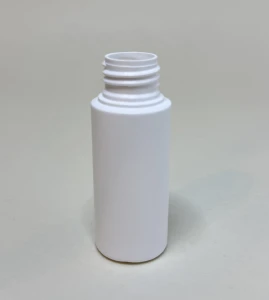
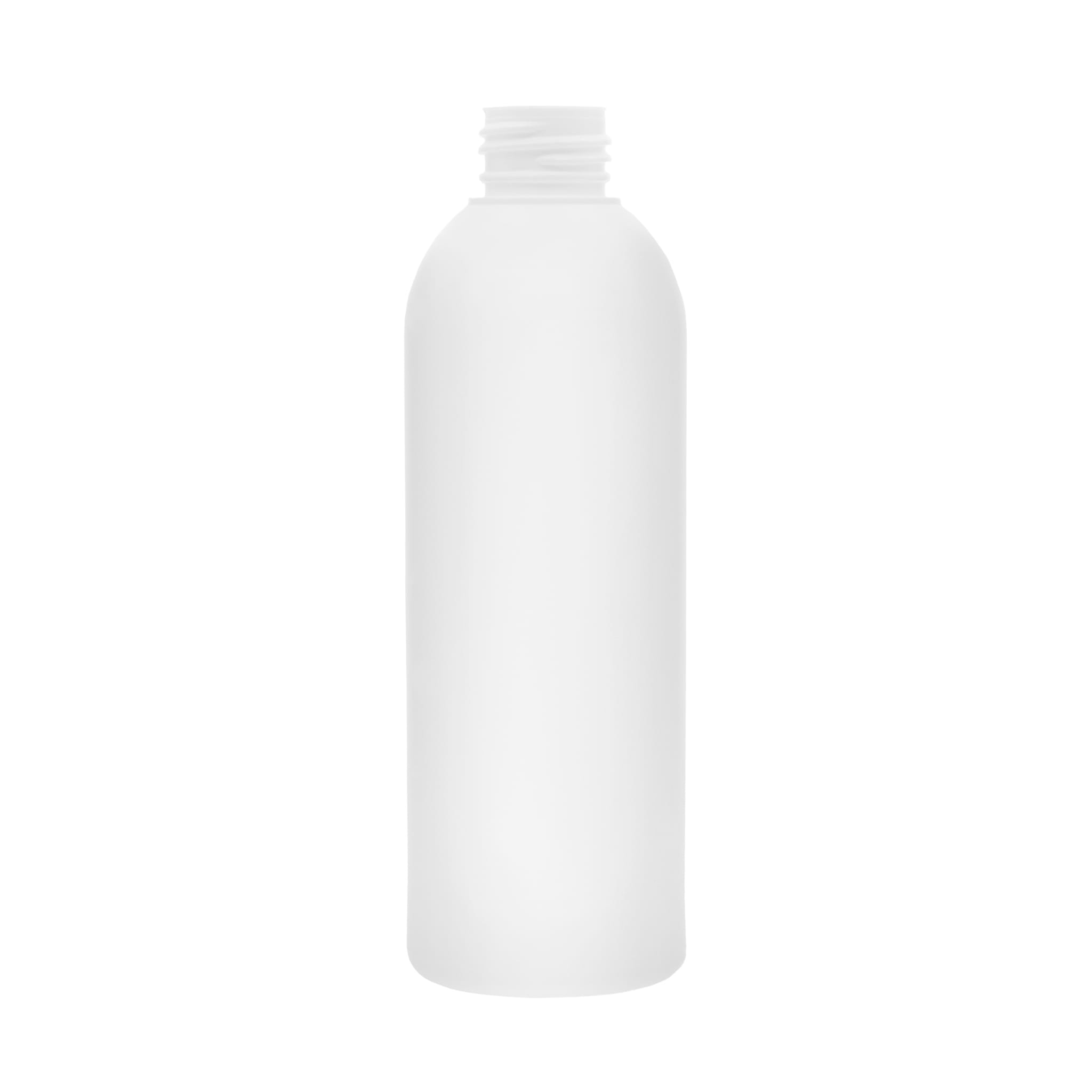
250 ml 24/410 white HDPE bottle is a durable BR (Boston Round) shaped container, designed for use with, amongst other things, cosmetics, household cleaning products, car detailing products and technical formulations. The HDPE plastic bottle is 158 mm high, 51 mm wide, has a round base and weighs 21 g. The white body partially blocks light from reaching the contents, whilst the BR shape ensures a comfortable grip and stability. The 24/410-threaded bottle can be fitted with an atomiser, trigger, dispensing pump, flip-top, disc-top, applicator, PP cap or specialised closure. HDPE cosmetic bottle can be used, amongst other things, for shampoos, lotions, gels, emulsions and toners, as well as suitable detergents, cleaning products and car detailing products.

Description

250 ml 24/410 HDPE bottle – white Boston Round container

250 ml 24/410 HDPE bottle is a white container in the BR (Boston Round) shape, designed for use with, amongst other things, cosmetics, household chemicals, car detailing products and technical formulations. The body is made of HDPE and has a capacity of 250 ml. The bottle is 158 mm high, 51 mm wide, has a round base and weighs 21 g. The Boston Round shape has been chosen for its comfortable grip, stable construction and ease of use. The 250 ml HDPE container features a 24/410 threaded neck, allowing the closure and dispensing method to be adapted to the type of contents. The 24/410-threaded bottle can be fitted with a spray nozzle, trigger, dispensing pump, flip-top, disc-top, applicator, PP cap or a suitable specialised closure. The white HDPE bottle for cosmetics can be used, amongst other things, for shampoos, lotions, shower gels, emulsions, toners, natural cosmetics, spa treatments and hairdressing products.

White HDPE bottle – material and its characteristics

The white HDPE bottle is made from high-density polyethylene. According to the provided specifications, the material is characterised by high chemical resistance, durability, and resistance to moisture and damage. The material is recommended for use with cosmetics, household chemicals, workshop preparations, technical products and other professional formulations. The white body limits the visibility of the contents inside compared to a typical transparent PET bottle and, according to the provided description, also partially restricts light exposure to the product. HDPE packaging can be used, amongst other things, for shampoos, lotions, emulsions, detergents, cleaning products and specific car detailing products. In this variant, the material forms a 250 ml bottle finished with a 24/410 threaded neck. HDPE bottle for household cleaning products can be fitted with a suitably selected closure or dispensing system. The white HDPE cosmetic bottle combines the properties of the material with the ergonomic BR shape and the specifications of this variant.

Design of the 250 ml HDPE bottle and method of use

The body of the 250 ml HDPE bottle has a BR (Boston Round) shape, a height of 158 mm and a width of 51 mm. The lower part of the container consists of a round base, whilst the upper part transitions into a neck finished with a 24/410 thread. The weight of the empty body is 21 g. According to the provided specifications, the ergonomic BR shape ensures a comfortable grip, stability and ease of use during everyday use of the product. The smooth body of the HDPE plastic bottle creates an aesthetically pleasing packaging design, whilst the method of dispensing and applying the contents depends on the component fitted to the neck. A bottle with a 24/410 thread can be fitted with a spray nozzle, trigger, dispensing pump, flip-top, disc-top, applicator, PP cap or a suitably selected specialised closure. A white HDPE bottle for cleaning products can therefore be configured according to the type of product and its intended use. The BR shape remains the standard body design regardless of the dispensing system chosen.

Method of dispensing from the HDPE 24/410 bottle

The method of dispensing from the HDPE 24/410 bottle depends on the cap or applicator selected to suit the type of product inside. The options available include an atomiser, trigger, dispensing pump, flip-top, disc-top, applicator, PP cap and specialised closures. A pump can be used with suitably selected cosmetics that require dispensing, whilst an atomiser or trigger spray can be used to atomise the product if this method of application is appropriate for its properties. Flip-top and disc-top closures allow the contents to be dispensed through an opening in the closure, and an applicator enables a different method of application. HDPE bottles for car detailing can thus be configured, amongst other things, for specific APCs, cleaners, dressings, interior car care products or plastic care products. In the case of HDPE bottles for cleaning chemicals, the dispensing method can be adapted to detergents, cleaning agents, disinfectants or concentrates. The bottle body itself does not specify a single application method or the size of a single dose.

HDPE bottle with a 24/410 thread – closure and connection method

HDPE bottle with a 24/410 thread has a neck that allows for the use of a suitably selected closure or dispensing element. The provided specification lists a 24/410 atomiser, trigger, dispensing pump, flip-top, disc-top, applicator, PP cap and specialised closures. The selected component is fitted to the neck of the bottle and is responsible for sealing the container; depending on its design, it may also facilitate the dispensing, spraying or application of the contents. The 24/410 closure should be selected to suit both the type of product and its intended use. One solution may be suitable for shampoo, lotion or emulsion, whilst another may be better suited to a detergent or car detailing product. When assembling an HDPE bottle with a pump or another dispensing system, it is essential to confirm that the specific closure model is actually compatible with that container. The 24/410 thread designation alone defines the connection standard, but should not be treated as an automatic guarantee of full compatibility with every available component.

250 ml HDPE bottle – capacity, dimensions and specifications

The 250 ml HDPE bottle has a nominal capacity of 250 ml, a height of 158 mm, a width of 51 mm and a weight of 21 g. The body is made of white HDPE and moulded into a BR (Boston Round) shape, whilst the base of the container is circular. The height of 158 mm refers to the vertical dimension of the entire bottle, whilst the width of 51 mm describes the dimension of its body. These specifications can be taken into account when planning the space required for storage, preparing product displays and selecting other packaging components. The weight of 21 g refers to the 250 ml HDPE container itself and does not include the contents or the chosen closure or dispensing system. The 250 ml HDPE plastic bottle has a neck with a 24/410 thread, which must be taken into account when selecting a spray nozzle, trigger, pump, flip-top, disc-top, applicator or cap. The capacity, dimensions, weight, white material, BR shape, round base and 24/410 thread together identify this packaging variant.

Safety
100 ml cylindrical HDPE bottle 24/410

€0.23

net: €0.19

szt.
50 ml cylindrical HDPE bottle 24/410

€0.19

net: €0.15

szt.

Related products

up
Shop is in view mode
View full version of the site

Branże i zastosowania

Butelka HDPE 250 ml 24/410 biała – branże i zastosowania

Butelka HDPE 250 ml 24/410 w kolorze białym to trwałe opakowanie o kształcie BR, przeznaczone do kosmetyków, chemii gospodarczej, detailingu oraz wybranych preparatów technicznych i specjalistycznych. HDPE charakteryzuje się trwałością, odpornością na wilgoć, uszkodzenia oraz wiele substancji chemicznych. Przy preparatach chemicznych, detailingowych, przemysłowych i specjalistycznych należy jednak potwierdzić zgodność konkretnej formulacji z materiałem opakowania.

Pojemność 250 ml sprawdza się przy produktach wymagających średniej wielkości opakowania. Kształt BR zapewnia wygodny chwyt i stabilną konstrukcję, natomiast gwint 24/410 pozwala dobrać sposób zamykania i dozowania odpowiedni do charakteru produktu.

Butelka HDPE do kosmetyków – szampony, balsamy i preparaty pielęgnacyjne

Butelka HDPE do kosmetyków może być wykorzystywana przy produktach pielęgnacyjnych, kosmetykach naturalnych, preparatach SPA oraz produktach fryzjerskich. Pojemność 250 ml może odpowiadać wielu standardowym wariantom kosmetyków przeznaczonych do codziennego użytkowania.

Rodzaj zamknięcia należy dopasować do konsystencji produktu oraz oczekiwanego sposobu aplikacji. Można rozważyć między innymi pompkę, flip-top, disc-top, atomizer lub aplikator.

Możliwe zastosowania:

  • butelka HDPE na szampon,
  • butelka HDPE na balsam,
  • butelka na żel pod prysznic,
  • butelka do kosmetyków naturalnych,
  • butelka do emulsji kosmetycznych,
  • butelka HDPE na tonik,
  • butelka do preparatów SPA,
  • butelka do kosmetyków fryzjerskich.

Butelka HDPE do chemii gospodarczej i preparatów technicznych

Butelka HDPE do chemii gospodarczej może być rozważana przy detergentach, środkach czystości, preparatach dezynfekujących, koncentratach oraz produktach warsztatowych i przemysłowych. Trwałość materiału i odporność na wilgoć odpowiadają zastosowaniom wymagającym wytrzymałego opakowania.

Odporność HDPE na wiele substancji chemicznych nie oznacza jednak zgodności z każdą możliwą formulacją. Przed zastosowaniem należy zweryfikować konkretny skład preparatu.

Potencjalne zastosowania:

  • butelka HDPE do detergentów,
  • butelka HDPE na środki czystości,
  • butelka do preparatów dezynfekujących,
  • butelka do chemii gospodarczej,
  • butelka do koncentratów,
  • butelka do preparatów warsztatowych,
  • butelka do środków technicznych,
  • butelka do preparatów przemysłowych.

Butelka HDPE do detailingu – APC, cleanery i kosmetyki samochodowe

Butelka HDPE do detailingu może być rozważana przy profesjonalnych preparatach wykorzystywanych podczas czyszczenia i pielęgnacji pojazdów. Gwint 24/410 pozwala dobrać sposób aplikacji odpowiedni do właściwości konkretnego produktu.

Preparaty detailingowe różnią się składem i stężeniem, dlatego przed zastosowaniem należy sprawdzić zgodność konkretnej formulacji z HDPE oraz materiałami wybranego systemu dozowania.

Potencjalne zastosowania:

  • butelka HDPE do APC,
  • butelka do cleanera,
  • butelka na kosmetyki samochodowe,
  • butelka do dressingu,
  • butelka do preparatów do wnętrza auta,
  • butelka do preparatów do plastików,
  • butelka do płynów technicznych,
  • butelka do środków warsztatowych.

Butelka HDPE 250 ml do zastosowań laboratoryjnych i technicznych

Wśród przekazanych zastosowań wskazano również preparaty laboratoryjne, środki technologiczne, produkty specjalistyczne, koncentraty chemiczne oraz preparaty serwisowe. Butelka HDPE 250 ml może być rozważana przy takich produktach po sprawdzeniu wymagań konkretnej formulacji.

Samo wykonanie opakowania z HDPE nie potwierdza jego przydatności do każdego zastosowania laboratoryjnego, przemysłowego lub specjalistycznego.

Potencjalne zastosowania:

  • butelka do preparatów laboratoryjnych,
  • butelka do środków technologicznych,
  • butelka do preparatów specjalistycznych,
  • butelka do koncentratów chemicznych,
  • butelka do produktów technicznych,
  • butelka do preparatów higienicznych,
  • butelka do środków serwisowych,
  • butelka do płynów użytkowych.

Najważniejsze cechy

Najważniejsze cechy butelki HDPE 250 ml 24/410

Butelka HDPE 250 ml została wykonana z białego tworzywa HDPE i ma kształt BR. Opakowanie posiada okrągłą podstawę, wysokość 158 mm oraz szerokość 51 mm. Waga samej butelki wynosi 21 g.

HDPE zapewnia trwałość, odporność na wilgoć, uszkodzenia oraz wiele substancji chemicznych. Nie oznacza to jednak zgodności z każdą formulacją. Biały korpus częściowo ogranicza dostęp światła do zawartości, natomiast ergonomiczny kształt BR zapewnia wygodny chwyt i stabilność podczas użytkowania.

  • Rodzaj: butelka
  • Pojemność: 250 ml
  • Materiał: HDPE
  • Kolor: biały
  • Kształt: BR
  • Gwint: 24/410
  • Wysokość: 158 mm
  • Szerokość: 51 mm
  • Podstawa: koło
  • Waga: 21 g
  • Ergonomia: wygodny chwyt i użytkowanie
  • Właściwości: trwałość, odporność na wilgoć, uszkodzenia oraz wiele substancji chemicznych
  • Sposób dozowania: możliwość zastosowania różnych rodzajów zamknięć 24/410

Zestaw

Zestaw i zamknięcia do butelki HDPE 250 ml 24/410

Co otrzymujesz?

Produkt obejmuje białą butelkę HDPE 250 ml z gwintem 24/410. W przekazanych danych nie wskazano jednoznacznie, czy konkretne zamknięcie znajduje się w zestawie, dlatego nie należy zakładać jego obecności ani braku bez dodatkowego potwierdzenia.

Gwint 24/410 pozwala poszukiwać różnych systemów zamykania i dozowania wykonywanych w tym standardzie. Konkretny element należy jednak zweryfikować pod kątem rzeczywistego dopasowania do butelki.

Jakie zamknięcia 24/410 można rozważyć?

Według przekazanych danych można rozważyć:

  • atomizer 24/410 – do odpowiednio lekkich preparatów płynnych,
  • trigger 24/410 – do wybranych produktów wymagających rozpylania,
  • pompkę dozującą 24/410 – do odpowiednich kosmetyków i produktów pielęgnacyjnych,
  • flip-top 24/410 – do produktów dozowanych bezpośrednio z butelki,
  • disc-top 24/410 – do wybranych kosmetyków i preparatów użytkowych,
  • aplikator 24/410 – do produktów wymagających określonego sposobu nanoszenia,
  • nakrętkę PP 24/410 – do standardowego zamykania opakowania,
  • zamknięcia specjalistyczne 24/410 – po potwierdzeniu rzeczywistego dopasowania.

Sam standard gwintu 24/410 nie gwarantuje pełnej kompatybilności każdego zamknięcia z konkretną butelką. Przy chemii, detailingu oraz preparatach specjalistycznych należy również sprawdzić zgodność materiałów całego systemu dozowania z formulacją.


FAQ

FAQ – pytania o białą butelkę HDPE 250 ml 24/410

Do jakich produktów można wykorzystać butelkę HDPE 250 ml 24/410?

Butelka HDPE 250 ml 24/410 może być rozważana przy kosmetykach, chemii gospodarczej, preparatach detailingowych oraz wybranych produktach technicznych, przemysłowych i specjalistycznych. Wśród wskazanych zastosowań znajdują się szampony, balsamy, żele pod prysznic, emulsje, toniki, detergenty, środki czystości, APC, cleanery, dressingi, koncentraty, preparaty warsztatowe oraz płyny użytkowe. Pojemność 250 ml może odpowiadać produktom przeznaczonym do regularnego użytkowania. W przypadku chemii, detailingu oraz produktów technicznych należy potwierdzić zgodność konkretnej formulacji z HDPE. Trzeba również sprawdzić materiały zastosowane w atomizerze, pompce, triggerze lub innym wybranym systemie dozowania.

Czy butelka HDPE do kosmetyków nadaje się do szamponów, balsamów i żeli?

Butelka HDPE do kosmetyków może być wykorzystywana przy wskazanych szamponach, balsamach, żelach pod prysznic, emulsjach, tonikach, kosmetykach naturalnych, preparatach SPA oraz produktach fryzjerskich. Pojemność 250 ml może odpowiadać wielu wariantom produktów pielęgnacyjnych przeznaczonych do codziennego użytkowania. Sposób dozowania należy dopasować do konsystencji kosmetyku. Przy szamponach i żelach można rozważyć flip-top lub disc-top, przy wybranych balsamach i emulsjach pompkę, natomiast przy odpowiednio lekkich preparatach płynnych atomizer. Konkretny model zamknięcia należy sprawdzić pod kątem rzeczywistego dopasowania, ponieważ sam standard gwintu 24/410 nie gwarantuje pełnej kompatybilności.

Czy butelka HDPE do chemii gospodarczej może być używana do detergentów?

Butelka HDPE do chemii gospodarczej może być rozważana przy detergentach, środkach czystości, preparatach dezynfekujących, koncentratach, środkach technicznych oraz wybranych preparatach przemysłowych. HDPE charakteryzuje się odpornością na wiele substancji chemicznych, wilgoć i uszkodzenia, ale nie oznacza to uniwersalnej zgodności z każdym preparatem. Poszczególne produkty mogą różnić się składem oraz stężeniem, dlatego zgodność konkretnej formulacji z materiałem butelki należy sprawdzić indywidualnie. Jeżeli preparat będzie dozowany za pomocą atomizera, triggera, pompki lub innego mechanizmu, należy również zweryfikować zgodność materiałów zastosowanych w systemie dozowania z zawartością.

Czy butelka HDPE do detailingu nadaje się do APC, cleanerów i dressingów?

Butelka HDPE do detailingu może być rozważana przy wskazanych APC, cleanerach, dressingach, preparatach do wnętrza auta, produktach do plastików, płynach technicznych oraz środkach warsztatowych. Pojemność 250 ml może być praktyczna przy mniejszych wariantach kosmetyków samochodowych lub preparatach wykorzystywanych do określonych zadań. Nie oznacza to jednak automatycznej zgodności HDPE z każdym produktem detailingowym. Preparaty mogą znacząco różnić się składem i stężeniem, dlatego konkretną formulację należy sprawdzić przed zastosowaniem. Jeśli produkt będzie dozowany triggerem, atomizerem lub pompką, trzeba również zweryfikować zgodność materiałów tego elementu oraz jego rzeczywiste dopasowanie do butelki.

Czy biały kolor butelki HDPE 250 ml ogranicza dostęp światła?

Według przekazanych danych biały korpus butelki HDPE 250 ml częściowo ogranicza dostęp światła do znajdującej się wewnątrz zawartości. Nie należy jednak utożsamiać tej cechy z potwierdzoną ochroną przed promieniowaniem UV ani określonym poziomem właściwości barierowych. Dla tego produktu nie podano parametrów technicznych pozwalających zadeklarować konkretną ochronę UV. Jeżeli kosmetyk, środek chemiczny lub preparat techniczny jest światłoczuły i wymaga określonych warunków przechowywania, przydatność opakowania należy potwierdzić indywidualnie. Biały kolor można natomiast traktować jako cechę estetyczną oraz rozwiązanie ograniczające bezpośrednią widoczność zawartości w porównaniu z typową transparentną butelką.

Jakie znaczenie ma kształt BR w butelce HDPE 250 ml?

Kształt BR nadaje butelce HDPE 250 ml regularną, zaokrągloną formę z okrągłą podstawą. Opakowanie ma wysokość 158 mm i szerokość 51 mm, a jego masa wynosi 21 g. Konstrukcja została wskazana jako zapewniająca wygodny chwyt, stabilność oraz komfortowe dozowanie produktu. Format 250 ml może być wykorzystywany przy kosmetykach, chemii gospodarczej, detailingu oraz wybranych preparatach technicznych. Kształt zapewnia również estetyczną prezentację gotowego produktu. Sama forma BR nie określa jednak zgodności opakowania z konkretną formulacją ani nie potwierdza dopasowania każdego zamknięcia oznaczonego jako 24/410. Te elementy powinny zostać sprawdzone osobno dla finalnego produktu.

Jakie wymiary ma butelka HDPE 250 ml 24/410?

Butelka HDPE 250 ml 24/410 ma wysokość 158 mm oraz szerokość 51 mm. Podstawa opakowania ma kształt koła, korpus został określony jako BR, a waga samej butelki wynosi 21 g. Parametry te warto uwzględnić podczas projektowania etykiety, przygotowywania opakowań zbiorczych, organizowania przestrzeni magazynowej oraz planowania ekspozycji gotowego produktu. Podana wysokość dotyczy samej butelki. Po zastosowaniu pompki, atomizera, triggera, aplikatora lub innego zamknięcia wystającego ponad szyjkę całkowita wysokość finalnego opakowania może być większa. Ostateczne wymiary kompletnego zestawu najlepiej więc określić po dobraniu docelowego systemu zamknięcia i dozowania.

Jaki gwint posiada butelka HDPE 250 ml?

Butelka HDPE 250 ml posiada gwint 24/410. Oznaczenie to pozwala poszukiwać różnych systemów zamykania i dozowania wykonywanych w tym standardzie. Według przekazanych danych można rozważyć atomizer, trigger, pompkę dozującą, flip-top, disc-top, aplikator, nakrętkę PP oraz zamknięcia specjalistyczne. Sam wspólny standard gwintu nie gwarantuje jednak, że każdy element oznaczony jako 24/410 będzie prawidłowo współpracował z konkretną butelką. Wybrane zamknięcie należy zweryfikować pod kątem rzeczywistego dopasowania. Przy preparatach chemicznych, detailingowych i technicznych należy dodatkowo sprawdzić zgodność materiałów systemu dozowania z konkretną formulacją.

Jak dobrać zamknięcie do butelki HDPE 250 ml 24/410?

Dobór zamknięcia do butelki HDPE 250 ml 24/410 powinien uwzględniać rodzaj produktu, jego konsystencję oraz oczekiwany sposób aplikacji. Atomizer lub trigger można rozważyć przy odpowiednio płynnych preparatach wymagających rozpylania, pompkę przy wybranych kosmetykach, natomiast flip-top lub disc-top przy produktach dozowanych bezpośrednio z butelki. Aplikator może odpowiadać preparatom wymagającym określonego sposobu nanoszenia. Następnie trzeba sprawdzić rzeczywiste dopasowanie konkretnego zamknięcia do szyjki. Przy chemii gospodarczej, detailingu i produktach technicznych należy dodatkowo zweryfikować zgodność materiałów całego systemu dozowania z formulacją.

Na co zwrócić uwagę przed wyborem białej butelki HDPE 250 ml 24/410?

Przy wyborze białej butelki HDPE 250 ml 24/410 należy uwzględnić pojemność 250 ml, materiał HDPE, biały kolor, kształt BR, wysokość 158 mm, szerokość 51 mm, wagę 21 g, okrągłą podstawę oraz gwint 24/410. Następnie warto określić rodzaj produktu, jego konsystencję i oczekiwany sposób aplikacji, ponieważ wpływają one na wybór atomizera, triggera, pompki, flip-topu, disc-topu lub innego zamknięcia. W przypadku detergentów, produktów detailingowych, preparatów przemysłowych i środków technicznych należy dodatkowo potwierdzić zgodność konkretnej formulacji z HDPE oraz materiałami zastosowanymi w systemie dozowania.

Industries and Applications

250 ml white HDPE bottle, 24/410 – sectors and applications

250 ml 24/410 HDPE bottle in white is a durable BR-shaped container, designed for cosmetics, household chemicals, car detailing, and selected technical and specialist formulations. HDPE is characterised by its durability and resistance to moisture, damage and many chemicals. However, for chemical, car detailing, industrial and specialist products, the compatibility of the specific formulation with the packaging material must be confirmed.

The 250 ml capacity is ideal for products requiring a medium-sized container. The BR shape ensures a comfortable grip and a stable design, whilst the 24/410 thread allows you to choose a closure and dispensing method suited to the nature of the product.

HDPE bottle for cosmetics – shampoos, lotions and skincare products

HDPE bottle for cosmetics can be used for skincare products, natural cosmetics, spa treatments and hairdressing products. The 250 ml capacity is suitable for many standard varieties of cosmetics intended for everyday use.

The type of closure should be chosen to suit the product’s consistency and the intended method of application. Options to consider include a pump, flip-top, disc-top, atomiser or applicator.

Possible applications:

  • HDPE shampoo bottle,

  • HDPE body lotion bottle,

  • shower gel bottle,

  • bottle for natural cosmetics,

  • bottle for cosmetic emulsions,

  • HDPE toner bottle,

  • bottle for spa products,

  • bottle for hairdressing products.

HDPE bottles for household chemicals and technical preparations

HDPE bottles for household chemicals may be considered for detergents, cleaning products, disinfectants, concentrates, and workshop and industrial products. The material’s durability and resistance to moisture make it suitable for applications requiring robust packaging.

However, HDPE’s resistance to many chemicals does not mean it is compatible with every possible formulation. The specific composition of the product must be verified before use.

Potential applications:

  • HDPE bottle for detergents,

  • HDPE bottle for cleaning products,

  • bottle for disinfectants,

  • bottle for household chemicals,

  • bottle for concentrates,

  • bottle for workshop products,

  • bottle for technical products,

  • bottle for industrial products.

HDPE bottle for car detailing – APC, cleaners and car care products

HDPE bottle for car detailing may be considered for professional products used in the cleaning and care of vehicles. The 24/410 thread allows the application method to be selected to suit the properties of the specific product.

Detailing products vary in composition and concentration; therefore, before use, the compatibility of a specific formulation with HDPE and the materials of the chosen dispensing system must be checked.

Potential applications:

  • HDPE bottle for APC,

  • bottle for cleaner,

  • bottle for car care products,

  • bottle for dressing,

  • bottle for car interior care products,

  • bottle for plastic care products,

  • bottle for technical fluids,

  • bottle for workshop products.

250 ml HDPE bottle for laboratory and technical applications

The listed applications also include laboratory preparations, technical agents, specialist products, chemical concentrates and maintenance products. The 250 ml HDPE bottle may be considered for such products after checking the requirements of the specific formulation.

The mere fact that the packaging is made of HDPE does not confirm its suitability for every laboratory, industrial or specialist application.

Potential applications:

  • bottle for laboratory preparations,

  • bottle for technological agents,

  • bottle for specialist preparations,

  • bottle for chemical concentrates,

  • bottle for technical products,

  • bottle for hygiene preparations,

  • bottle for maintenance products,

  • bottle for utility fluids.

Key Features

Key features of the 250 ml 24/410 HDPE bottle

The 250 ml HDPE bottle is made from white HDPE and has a BR shape. The container has a round base, a height of 158 mm and a width of 51 mm. The bottle itself weighs 21 g.

HDPE ensures durability and resistance to moisture, damage and many chemicals. However, this does not imply compatibility with every formulation. The white body partially limits light exposure to the contents, whilst the ergonomic BR shape ensures a comfortable grip and stability during use.

  • Type: bottle

  • Capacity: 250 ml

  • Material: HDPE

  • Colour: white

  • Shape: BR

  • Thread: 24/410

  • Height: 158 mm

  • Width: 51 mm

  • Base: circular

  • Weight: 21 g

  • Ergonomics: comfortable grip and ease of use

  • Properties: durability, resistance to moisture, damage and many chemicals

  • Dispensing method: compatible with various types of 24/410 closures

Set and Compatible Closures

Set and closures for 250 ml HDPE bottle 24/410

What do you get?

The product includes a white 250 ml HDPE bottle with a 24/410 thread. The information provided does not explicitly state whether a specific closure is included in the set; therefore, you should not assume its presence or absence without further confirmation.

The 24/410 thread allows you to explore various closure and dispensing systems manufactured to this standard. However, you should check that the specific component actually fits the bottle.

Which 24/410 closures might you consider?

According to the information provided, the following options can be considered:

  • 24/410 atomiser – for suitably light liquid formulations,

  • 24/410 trigger spray – for selected products requiring atomisation,

  • 24/410 dispensing pump – for suitable cosmetics and personal care products,

  • 24/410 flip-top – for products dispensed directly from the bottle,

  • 24/410 disc-top – for selected cosmetics and household products,

  • 24/410 applicator – for products requiring a specific method of application,

  • 24/410 PP cap – for standard packaging closure,

  • specialist 24/410 closures – subject to confirmation of actual compatibility.

The 24/410 thread standard alone does not guarantee full compatibility between every closure and a specific bottle. For chemical products, car detailing products and specialist formulations, it is also necessary to check the compatibility of the materials used in the entire dispensing system with the formulation.

FAQ

FAQ – questions about the 250 ml 24/410 white HDPE bottle

What products can the 250 ml 24/410 HDPE bottle be used for?

The 250 ml 24/410 HDPE bottle may be considered for use with cosmetics, household chemicals, car detailing products, and selected technical, industrial and specialist products. Recommended applications include shampoos, lotions, shower gels, emulsions, toners, detergents, cleaning products, APC, cleaners, dressings, concentrates, workshop preparations and utility fluids. The 250 ml capacity is suitable for products intended for regular use. In the case of chemical products, detailing products and technical products, the compatibility of the specific formulation with HDPE must be confirmed. It is also necessary to check the materials used in the atomiser, pump, trigger or other selected dispensing system.

Is an HDPE bottle for cosmetics suitable for shampoos, lotions and shower gels?

An HDPE bottle for cosmetics can be used for the following: shampoos, lotions, shower gels, emulsions, toners, natural cosmetics, spa treatments and hairdressing products. The 250 ml capacity may be suitable for many types of personal care products intended for everyday use. The dispensing method should be tailored to the consistency of the cosmetic product. For shampoos and shower gels, a flip-top or disc-top closure may be considered; for certain body lotions and emulsions, a pump; and for sufficiently light liquid formulations, a spray nozzle. The specific closure model should be checked for actual compatibility, as the 24/410 thread standard alone does not guarantee full compatibility.

Can an HDPE bottle for household cleaning products be used for detergents?

An HDPE bottle for household chemicals may be suitable for detergents, cleaning products, disinfectants, concentrates, technical products and selected industrial formulations. HDPE is resistant to many chemicals, moisture and damage, but this does not imply universal compatibility with every formulation. Individual products may vary in composition and concentration; therefore, the compatibility of a specific formulation with the bottle material must be checked on a case-by-case basis. If the product is to be dispensed using a spray nozzle, trigger, pump or other mechanism, the compatibility of the materials used in the dispensing system with the contents must also be verified.

Is an HDPE bottle for detailing suitable for APC, cleaners and dressings?

An HDPE bottle for car detailing may be considered for the specified APCs, cleaners, dressings, interior car care products, plastic care products, technical fluids and workshop products. The 250 ml capacity may be practical for smaller-sized car care products or formulations used for specific tasks. However, this does not mean that HDPE is automatically compatible with every detailing product. Formulations can vary significantly in terms of composition and concentration, so the specific formulation should be checked before use. If the product is dispensed via a trigger, atomiser or pump, the compatibility of the materials used in that component and its actual fit with the bottle must also be verified.

Does the white colour of the 250 ml HDPE bottle limit light exposure?

According to the data provided, the white body of the 250 ml HDPE bottle partially limits light exposure to the contents inside. However, this characteristic should not be equated with proven UV protection or a specific level of barrier properties. No technical parameters have been provided for this product that would allow a specific level of UV protection to be declared. If a cosmetic, chemical or technical preparation is light-sensitive and requires specific storage conditions, the suitability of the packaging must be confirmed on a case-by-case basis. The white colour, on the other hand, can be regarded as an aesthetic feature and a solution that limits the direct visibility of the contents compared to a typical transparent bottle.

What is the significance of the BR shape in a 250 ml HDPE bottle?

The BR shape gives the 250 ml HDPE bottle a regular, rounded form with a circular base. The container is 158 mm high and 51 mm wide, and weighs 21 g. The design has been specified to ensure a secure grip, stability and comfortable dispensing of the product. The 250 ml format can be used for cosmetics, household cleaning products, car detailing products and selected technical formulations. The shape also ensures an aesthetically pleasing presentation of the finished product. However, the BR mould alone does not guarantee the packaging’s compatibility with a specific formulation, nor does it confirm that every cap marked 24/410 will fit. These aspects should be checked separately for the final product.

What are the dimensions of the 250 ml 24/410 HDPE bottle?

The 250 ml 24/410 HDPE bottle is 158 mm high and 51 mm wide. The base of the container is circular, the body is designated as BR, and the weight of the bottle itself is 21 g. These parameters should be taken into account when designing labels, preparing bulk packaging, organising storage space and planning the display of the finished product. The height given refers to the bottle itself. Once a pump, atomiser, trigger, applicator or other closure that protrudes beyond the neck has been fitted, the total height of the final packaging may be greater. It is therefore best to determine the final dimensions of the complete assembly once the intended closure and dispensing system has been selected.

What thread does the 250 ml HDPE bottle have?

The 250 ml HDPE bottle has a 24/410 thread. This designation allows you to search for various closure and dispensing systems manufactured to this standard. According to the information provided, you may consider an atomiser, trigger, dispensing pump, flip-top, disc-top, applicator, PP cap and specialised closures. However, the common thread standard alone does not guarantee that every component marked as 24/410 will fit correctly onto a specific bottle. The chosen closure must be checked to ensure a proper fit. For chemical, detailing and technical products, it is also necessary to check that the materials of the dispensing system are compatible with the specific formulation.

How to choose a closure for a 250 ml 24/410 HDPE bottle?

When selecting a cap for a 250 ml 24/410 HDPE bottle, consideration should be given to the type of product, its consistency and the intended method of application. An atomiser or trigger spray may be considered for sufficiently fluid formulations requiring atomisation; a pump for certain cosmetics; whilst a flip-top or disc-top is suitable for products dispensed directly from the bottle. An applicator may be suitable for formulations requiring a specific method of application. Next, you must check that the specific cap actually fits the bottle neck. For household cleaning products, car detailing products and technical products, you should also verify that the materials of the entire dispensing system are compatible with the formulation.

What should you look out for before choosing a white 250 ml HDPE 24/410 bottle?

When selecting a white 250 ml HDPE 24/410 bottle, you should take into account the 250 ml capacity, the HDPE material, the white colour, the BR shape, the height of 158 mm, the width of 51 mm, the weight of 21 g, the round base and the 24/410 thread. Next, it is worth determining the type of product, its consistency and the intended method of application, as these factors influence the choice of atomiser, trigger, pump, flip-top, disc-top or other closure. In the case of detergents, car detailing products, industrial formulations and technical agents, it is also necessary to confirm that the specific formulation is compatible with HDPE and the materials used in the dispensing system.

Sklep internetowy Shoper.pl