header-message-1

Odbiory osobiste: Magazyn SapoSpa
Mikołaja Reja 110/H31 55-010 Smardzów

need info

Tel.: 694 305 060

Email: sklep@sapospa.pl

200 ml HDPE bottle 43/400

Vendor: SapoSpa
Availability: duża ilość
Dispatched within: 3 dni
Price: €0.34 0.34
Net price: €0.28
quantity szt.

product unavailable

Product code: 48D9-5760A_20220802110723

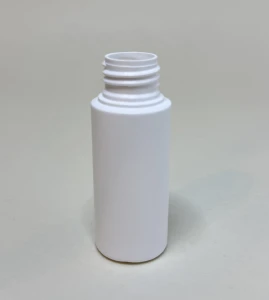
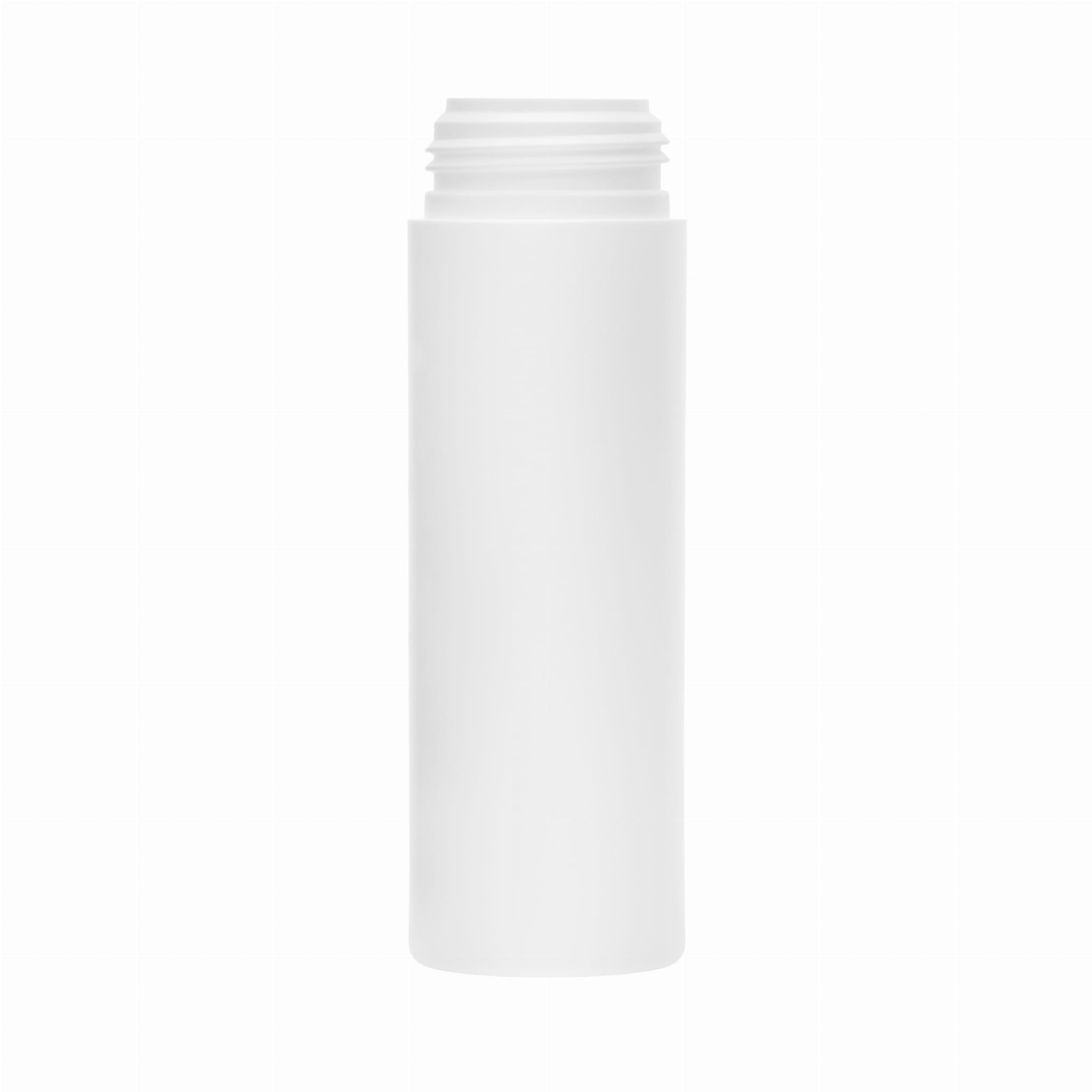
200 ml 43/400 white HDPE bottle is a durable CP-shaped container, designed primarily for cosmetics, foam-forming preparations, household cleaning products and car detailing products. The body is 169 mm high, 48 mm wide, has a round base and weighs 23 g. The HDPE plastic bottle is characterised by high chemical and mechanical resistance, as well as moisture resistance. The white surface partially limits light exposure to the contents. The wide 43/400 thread for a foaming pump allows the container to be fitted with a suitably selected foaming system. The HDPE bottle for cosmetics can be used, amongst other things, for facial cleansing foams, hygiene products and spa cosmetics, as well as suitable cleaning agents and car detailing products.

Description

200 ml HDPE bottle 43/400 – white packaging for foaming products

HDPE 200 ml 43/400 bottle is a white CP-shaped container, primarily intended for cosmetics, foaming products, household cleaning products and selected detailing and technical products. The body is made of HDPE and has a capacity of 200 ml. The bottle is 169 mm high, 48 mm wide, has a round base and weighs 23 g. The slender CP shape is designed to ensure a comfortable grip, good stability and practical use. The 200 ml HDPE container is characterised primarily by its wide neck, which features a 43/400 thread. The provided specification indicates the option of using a foaming pump, which allows the dispensing method to be adapted to products intended for application as a foam. The bottle with a 43/400 thread can be used, amongst other things, for facial cleansing foams, spa cosmetics and hygiene products. The white HDPE cosmetic bottle is also used for the specified hairdressing products, household cleaning products and car detailing products.

White HDPE bottle – material and its characteristics

The white HDPE bottle is made of high-density polyethylene. According to the provided specifications, the material is characterised by durability, high chemical and mechanical resistance, moisture resistance and resistance to mechanical damage. These properties are important for packaging intended for cosmetics, household products, cleaning products and the specified technical products. The white body limits the visibility of the contents inside compared to a typical transparent PET bottle, and, according to the provided description, its surface also partially blocks light. HDPE packaging can be used, amongst other things, for facial cleansing foams, hygiene products, spa cosmetics, cleaning products and selected car detailing products. In this version, the material forms a slender 200 ml bottle. The HDPE bottle for chemical products features a neck with a 43/400 thread, allowing the use of a suitably selected foaming pump. The white HDPE cosmetic bottle thus combines the properties of the material with a design tailored for dispensing foam.

Design of the 200 ml HDPE bottle and method of use

The body of the 200 ml HDPE bottle has a CP shape, a height of 169 mm and a width of 48 mm. The lower part of the container consists of a round base, whilst the upper part transitions into a neck finished with a wide 43/400 thread. The weight of the empty bottle is 23 g. According to the provided specifications, the CP shape ensures a comfortable grip, an ergonomic design and good stability during everyday use of the product. The slender design means that the HDPE plastic bottle maintains a relatively narrow width of 48 mm at a height of 169 mm. The body design has been developed primarily for use with a dispensing system utilising a wide thread. The 43/400-threaded bottle can be fitted with a suitably selected foaming pump, which controls the dispensing and application of the contents. The white HDPE bottle for cleaning products can also be used with the specified household cleaning products; however, the final method of use depends on the properties of the product and the selected dispensing system.

Foaming pump and dispensing method for the HDPE 43/400 bottle

The most important dispensing solution recommended for the HDPE 43/400 bottle is a foaming pump. The wide 43/400 thread allows the bottle body to be fitted with a suitably selected system designed for products applied as foam. Once the pump is fitted, the user activates its mechanism, and the method of dispensing the contents is determined by the design of the dispenser used. A bottle with a foaming pump configured in this way can be used, amongst other things, for specific facial cleansing foams, hygiene products, spa products and other appropriately selected foaming preparations. In car detailing applications, it can be used for specific active foams and products used in vehicle care. HDPE bottle for cosmetics acts in this case as the container holding the contents, whilst the pump controls how the product is dispensed. Packaging for foaming products must be fitted with a dispenser suitable for both the thread type and the characteristics of the specific formulation.

HDPE bottle with 43/400 thread – closure and connection method

HDPE bottle with 43/400 thread features a wide neck designed primarily for use with a suitably selected foaming pump. Unlike bottle variants with narrower threads, for which numerous types of atomisers, flip-tops or applicators are recommended, the specification provided for this product specifically mentions a system designed for foam production. The pump is fitted onto the neck of the bottle and, once assembled, forms a functional sealing and dispensing system with it. Foaming pump 43/400 is responsible for drawing up the product and its application, in accordance with the design of the specific dispenser. When assembling the packaging, it is essential to confirm that the selected pump model actually fits the bottle body. The 43/400 thread designation itself indicates the required connection standard, but should not be treated as an automatic guarantee of full compatibility with every available dispenser bearing this designation. The specific closing mechanism for a 43/400 bottle should also be selected to suit the properties and intended use of the product.

200 ml HDPE bottle – capacity, dimensions and specifications

The 200 ml HDPE bottle has a nominal capacity of 200 ml, a height of 169 mm, a width of 48 mm and a weight of 23 g. The body is made of white HDPE and has a CP shape, whilst the base of the container is circular. The height of 169 mm defines the vertical dimension of the bottle, whilst the width of 48 mm describes the dimension of its slender body. These specifications can be taken into account when planning the space required for the storage, transport and display of the finished product. The weight of 23 g refers to the 200 ml HDPE container itself and does not include the contents or the separately selected foaming pump. A key design feature is the wide 43/400 thread, which distinguishes this variant from bottles fitted with other neck standards. Thanks to this, the 200 ml HDPE plastic bottle can be fitted with a suitably matched foaming system. The capacity, height, width, weight, white material, CP shape, round base and 43/400 thread collectively identify this packaging variant.

Safety
100 ml cylindrical HDPE bottle 24/410

€0.23

net: €0.19

szt.
50 ml cylindrical HDPE bottle 24/410

€0.19

net: €0.15

szt.
up
Shop is in view mode
View full version of the site

Branże i zastosowania

Butelka HDPE 200 ml 43/400 biała – branże i zastosowania

Butelka HDPE 200 ml 43/400 w kolorze białym to opakowanie o kształcie CP przeznaczone przede wszystkim do kosmetyków, preparatów pianotwórczych oraz wybranych produktów chemii gospodarczej i zastosowań technicznych. Szeroki gwint 43/400 pozwala zastosować pompkę spieniającą, dzięki czemu opakowanie może być wykorzystane przy produktach, których sposób aplikacji zakłada dozowanie w postaci piany.

HDPE charakteryzuje się trwałością mechaniczną, odpornością na wilgoć oraz odpornością na wiele substancji chemicznych. Nie oznacza to jednak uniwersalnej zgodności z każdą formulacją. Przy preparatach chemicznych, detailingowych, technicznych i specjalistycznych należy potwierdzić zgodność konkretnego produktu zarówno z HDPE, jak i materiałami zastosowanymi w pompce spieniającej.

Butelka HDPE z pompką spieniającą do kosmetyków

Butelka HDPE do kosmetyków z gwintem 43/400 może być wykorzystywana przy preparatach, dla których odpowiednim sposobem aplikacji jest wytwarzanie piany. Pojemność 200 ml sprawdza się przy mniejszych wariantach produktów kosmetycznych i pielęgnacyjnych.

Sposób działania gotowego opakowania zależy nie tylko od butelki, ale również od zastosowanej pompki spieniającej i właściwości konkretnej formulacji. Produkt powinien być odpowiednio przygotowany do takiego sposobu dozowania.

Możliwe zastosowania:

  • butelka do pianki do mycia twarzy,
  • butelka do kosmetyków SPA,
  • butelka do preparatów higienicznych,
  • butelka do kosmetyków naturalnych,
  • butelka do preparatów fryzjerskich,
  • butelka do produktów pianotwórczych,
  • butelka do kosmetyków profesjonalnych.

Butelka HDPE do chemii gospodarczej i preparatów czyszczących

Butelka HDPE do chemii gospodarczej może być rozważana przy wybranych preparatach czyszczących i produktach użytkowych. Gwint 43/400 pozwala zastosować system spieniający, jeśli właściwości konkretnego preparatu umożliwiają taki sposób aplikacji.

HDPE wykazuje odporność na wiele substancji chemicznych, jednak skład preparatów czyszczących może się znacząco różnić. Przed zastosowaniem należy więc potwierdzić zgodność formulacji z materiałem butelki i pompki.

Potencjalne zastosowania:

  • butelka do preparatów czyszczących,
  • butelka do chemii gospodarczej,
  • butelka do płynów technicznych,
  • butelka do preparatów warsztatowych.

Butelka HDPE do detailingu i preparatów samochodowych

Butelka HDPE do detailingu może być rozważana przy wybranych produktach wykorzystywanych podczas pielęgnacji pojazdów, szczególnie jeżeli preparat został opracowany z myślą o aplikacji za pomocą systemu spieniającego.

Preparaty detailingowe różnią się składem i stężeniem, dlatego przed zastosowaniem należy sprawdzić zgodność konkretnej formulacji z HDPE oraz pompką spieniającą.

Potencjalne zastosowania:

  • butelka do piany aktywnej,
  • butelka do cleanera,
  • butelka do preparatów do wnętrza auta,
  • butelka do środków do plastików,
  • butelka do kosmetyków samochodowych,
  • butelka do preparatów technicznych,
  • butelka do środków warsztatowych.

Butelka HDPE 200 ml do zastosowań technicznych i laboratoryjnych

W przekazanych zastosowaniach wskazano również produkty techniczne, przemysłowe i laboratoryjne. Butelka HDPE 200 ml może być rozważana przy takich preparatach wyłącznie po potwierdzeniu wymagań konkretnego produktu oraz zgodności jego składu z materiałem opakowania.

Samo wykonanie butelki z HDPE nie potwierdza jej przydatności do każdego zastosowania laboratoryjnego, przemysłowego czy specjalistycznego.

Potencjalne zastosowania:

  • butelka do preparatów laboratoryjnych,
  • butelka do preparatów przemysłowych,
  • butelka do produktów użytkowych,
  • butelka do preparatów technicznych.

Najważniejsze cechy

Najważniejsze cechy butelki HDPE 200 ml 43/400

Butelka HDPE 200 ml 43/400 została wykonana z białego tworzywa HDPE i ma kształt CP. Opakowanie posiada okrągłą podstawę, wysokość 169 mm oraz szerokość 48 mm. Waga samej butelki wynosi 23 g.

HDPE zapewnia trwałą konstrukcję, odporność na wilgoć, trwałość mechaniczną oraz odporność na wiele substancji chemicznych. Nie oznacza to jednak zgodności z każdą formulacją. Kształt CP zapewnia wygodną formę użytkową oraz stabilność opakowania, natomiast szeroki gwint 43/400 pozwala zastosować odpowiednio dopasowaną pompkę spieniającą.

  • Rodzaj: butelka
  • Pojemność: 200 ml
  • Materiał: HDPE
  • Kolor: biały
  • Kształt: CP
  • Gwint: 43/400
  • Wysokość: 169 mm
  • Szerokość: 48 mm
  • Podstawa: koło
  • Waga: 23 g
  • Ergonomia: wygodna forma użytkowa, stabilna konstrukcja
  • Właściwości: trwałość mechaniczna, odporność na wilgoć, odporność na wiele substancji chemicznych
  • Sposób dozowania: możliwość zastosowania pompki spieniającej

Zestaw

Zestaw i zamknięcia do butelki HDPE 200 ml 43/400

Co otrzymujesz?

Produkt obejmuje białą butelkę HDPE 200 ml z gwintem 43/400. W przekazanych danych nie wskazano jednoznacznie, czy pompka spieniająca znajduje się w zestawie, dlatego nie należy zakładać jej obecności ani braku bez dodatkowego potwierdzenia.

Pompka spieniająca do butelki HDPE 43/400

Według przekazanych danych gwint 43/400 umożliwia zastosowanie pompki spieniającej. Jest to rozwiązanie przeznaczone do produktów, które mogą być dozowane w postaci piany.

Sam standard gwintu 43/400 nie gwarantuje jednak pełnego dopasowania każdej pompki oznaczonej tym standardem. Konkretny model należy sprawdzić pod kątem rzeczywistego połączenia z butelką.

W przypadku preparatów kosmetycznych, chemicznych i detailingowych trzeba dodatkowo uwzględnić właściwości formulacji. Prawidłowe wytwarzanie piany zależy od produktu oraz konstrukcji zastosowanego systemu spieniającego.

FAQ

FAQ – pytania o butelkę HDPE 200 ml 43/400

Do jakich produktów można wykorzystać butelkę HDPE 200 ml 43/400?

Butelka HDPE 200 ml 43/400 może być rozważana przede wszystkim przy kosmetykach, preparatach pianotwórczych, wybranych środkach czyszczących, produktach detailingowych oraz preparatach technicznych. Wśród wskazanych zastosowań znajdują się pianki do mycia twarzy, kosmetyki SPA, preparaty higieniczne, produkty fryzjerskie, preparaty czyszczące, cleanery oraz wybrane kosmetyki samochodowe. Charakterystyczną cechą opakowania jest szeroki gwint 43/400 pozwalający zastosować odpowiednią pompkę spieniającą. Przydatność butelki należy jednak oceniać dla konkretnego produktu, ponieważ jego skład musi być zgodny z HDPE, a właściwości formulacji powinny odpowiadać zastosowanemu systemowi dozowania piany.

Czy butelka HDPE 200 ml 43/400 nadaje się do pompki spieniającej?

Tak, według przekazanych danych gwint 43/400 umożliwia zastosowanie pompki spieniającej, dlatego butelka HDPE z pompką spieniającą może stanowić system opakowaniowy dla odpowiednio przygotowanych produktów. Nie oznacza to jednak, że każda pompka opisana jako 43/400 będzie automatycznie prawidłowo współpracowała z tą butelką. Konkretny model należy zweryfikować pod kątem rzeczywistego dopasowania do szyjki. Ważna jest również sama zawartość. Pompka spieniająca wymaga produktu o właściwościach umożliwiających prawidłowe działanie mechanizmu i wytworzenie piany. Dlatego należy sprawdzić zarówno dopasowanie mechaniczne pompki, jak i zgodność materiałową oraz właściwości konkretnej formulacji.

Jakie kosmetyki można pakować w butelkę HDPE z pompką spieniającą?

Butelka HDPE z pompką spieniającą może być rozważana przy kosmetykach przeznaczonych do aplikowania w formie piany. W przekazanych zastosowaniach wskazano między innymi pianki do mycia twarzy, preparaty higieniczne, kosmetyki SPA, kosmetyki naturalne oraz wybrane preparaty fryzjerskie. Sama butelka nie odpowiada jednak za przekształcenie każdego płynnego kosmetyku w pianę. Efekt dozowania zależy od zastosowanej pompki oraz właściwości formulacji. Dlatego przed przygotowaniem gotowego produktu należy sprawdzić, czy konkretny kosmetyk ma parametry odpowiednie dla systemu spieniającego. Należy również potwierdzić zgodność jego składu z HDPE oraz materiałami wykorzystanymi w mechanizmie pompki.

Czy butelka HDPE do chemii gospodarczej może być używana z preparatami czyszczącymi?

Butelka HDPE do chemii gospodarczej może być rozważana przy wskazanych preparatach czyszczących, płynach technicznych, produktach użytkowych oraz wybranych preparatach warsztatowych. HDPE wykazuje odporność na wiele substancji chemicznych, ale nie oznacza to uniwersalnej odporności na wszystkie możliwe składy i stężenia. Przed zastosowaniem należy potwierdzić zgodność konkretnej formulacji z materiałem butelki. Jeżeli produkt ma być dozowany w formie piany, należy dodatkowo sprawdzić jego współpracę z pompką spieniającą oraz zgodność preparatu z materiałami mechanizmu. Właściwy dobór opakowania powinien więc obejmować zarówno butelkę, zamknięcie, jak i parametry konkretnego produktu.

Czy butelka HDPE do detailingu nadaje się do pian i cleanerów?

Butelka HDPE do detailingu może być rozważana przy wskazanych pianach aktywnych, cleanerach, preparatach do wnętrza auta, środkach do plastików, kosmetykach samochodowych i produktach warsztatowych. Poszczególne preparaty detailingowe mogą jednak znacząco różnić się składem, stężeniem oraz sposobem użycia. Z tego względu nie można przyjąć, że HDPE będzie odpowiednie dla każdego produktu należącego do tych kategorii. Konkretną formulację należy sprawdzić pod kątem zgodności z materiałem butelki. Jeśli ma być wykorzystywana pompka spieniająca, trzeba również potwierdzić zgodność preparatu z jej materiałami oraz sprawdzić, czy właściwości produktu umożliwiają prawidłowe wytwarzanie piany.

Jakie znaczenie ma szeroki gwint 43/400 w butelce HDPE 200 ml?

Gwint 43/400 jest jednym z najważniejszych parametrów butelki HDPE 200 ml, ponieważ według przekazanych danych umożliwia zastosowanie pompki spieniającej. Pozwala więc zbudować system przeznaczony do produktów, których sposób aplikacji zakłada dozowanie w postaci piany. Oznaczenie 43/400 powinno być uwzględniane podczas poszukiwania odpowiedniego zamknięcia, ale samo w sobie nie stanowi pełnego potwierdzenia kompatybilności konkretnej pompki. Należy sprawdzić rzeczywiste dopasowanie elementów. Istotna jest również formulacja produktu, ponieważ nawet prawidłowo dobrana pompka nie oznacza, że każdy płyn będzie prawidłowo spieniany. System należy więc dobierać jako całość: butelka, pompka oraz konkretny produkt.

Jakie wymiary ma butelka HDPE 200 ml 43/400?

Butelka HDPE 200 ml 43/400 ma wysokość 169 mm oraz szerokość 48 mm. Podstawa opakowania ma kształt koła, korpus został określony jako CP, a waga samej butelki wynosi 23 g. Parametry te warto uwzględnić podczas projektowania etykiety, przygotowywania opakowania zbiorczego, planowania magazynowania oraz tworzenia finalnego produktu. Podana wysokość dotyczy samej butelki. Po zastosowaniu pompki spieniającej całkowita wysokość gotowego opakowania może być większa, dlatego finalne wymiary zestawu najlepiej określić dopiero po połączeniu butelki z wybranym systemem dozowania. Pozwala to prawidłowo zaplanować karton, ekspozycję oraz przestrzeń potrzebną do przechowywania produktu.

Czy biała butelka HDPE 200 ml ogranicza dostęp światła do produktu?

Biały korpus butelki HDPE 200 ml ogranicza bezpośrednią widoczność zawartości i według przekazanych danych częściowo ogranicza dostęp światła do produktu. Nie należy jednak utożsamiać tej właściwości z potwierdzoną ochroną przed promieniowaniem UV ani określonym poziomem ochrony przed światłem. Dla tego opakowania nie podano parametrów technicznych potwierdzających właściwości UV lub konkretne właściwości barierowe. Jeżeli kosmetyk, preparat chemiczny lub produkt specjalistyczny jest światłoczuły i wymaga określonego poziomu ochrony, przydatność opakowania należy zweryfikować indywidualnie. Biały kolor można natomiast traktować jako cechę ograniczającą widoczność zawartości w porównaniu z typową transparentną butelką PET.

Czy butelka HDPE 200 ml 43/400 może być używana w zastosowaniach laboratoryjnych?

W przekazanych zastosowaniach wskazano preparaty laboratoryjne, przemysłowe oraz produkty użytkowe, dlatego butelka HDPE 200 ml 43/400 może być rozważana przy wybranych zastosowaniach specjalistycznych. Nie oznacza to jednak, że opakowanie zostało potwierdzone jako odpowiednie do każdego zastosowania laboratoryjnego. Różne produkty mogą wymagać konkretnych właściwości materiałowych, sposobu zamknięcia, odporności chemicznej, czystości opakowania lub innych parametrów, których dla tego produktu nie określono. Przed wykorzystaniem należy więc sprawdzić wymagania konkretnej substancji i procesu oraz potwierdzić zgodność formulacji z HDPE. Jeżeli używana jest pompka spieniająca, jej materiały również wymagają osobnej weryfikacji.

Na co zwrócić uwagę przed wyborem butelki HDPE 200 ml 43/400?

Przy wyborze butelki HDPE 200 ml 43/400 należy uwzględnić pojemność 200 ml, materiał HDPE, biały kolor, kształt CP, wysokość 169 mm, szerokość 48 mm, wagę 23 g, okrągłą podstawę oraz szeroki gwint 43/400. Szczególne znaczenie ma planowany sposób dozowania. Jeżeli produkt ma być aplikowany jako piana, należy dobrać odpowiednią pompkę spieniającą i sprawdzić jej rzeczywiste dopasowanie do butelki. Trzeba również ocenić właściwości samej formulacji, ponieważ nie każdy płyn będzie prawidłowo współpracował z systemem spieniającym. Przy chemii, detailingu i preparatach technicznych należy dodatkowo potwierdzić zgodność produktu z HDPE oraz materiałami pompki.

Industries and Applications

200 ml white HDPE bottle, 43/400 – industries and applications

200 ml white HDPE bottle, 43/400 is a CP-shaped container designed primarily for cosmetics, foam-forming preparations and selected household cleaning products and technical applications. The wide 43/400 thread allows for the use of a foaming pump, meaning the container can be used for products where the application method involves dispensing in the form of foam.

HDPE is characterised by mechanical strength, moisture resistance and resistance to many chemicals. However, this does not imply universal compatibility with every formulation. For chemical, detailing, technical and specialist preparations, the compatibility of the specific product with both HDPE and the materials used in the foaming pump must be confirmed.

HDPE bottle with a foaming pump for cosmetics

HDPE bottle for cosmetics with a 43/400 thread can be used for products where foaming is the appropriate method of application. The 200 ml capacity is suitable for smaller sizes of cosmetic and skincare products.

How the finished packaging performs depends not only on the bottle, but also on the foaming pump used and the properties of the specific formulation. The product should be suitably prepared for this method of dispensing.

Possible applications:

  • face wash foam bottle,

  • SPA cosmetics bottle,

  • hygiene product bottle,

  • natural cosmetics bottle,

  • haircare product bottle,

  • foaming product bottle,

  • professional cosmetics bottle.

HDPE bottle for household chemicals and cleaning products

HDPE bottles for household chemicals may be considered for selected cleaning products and household goods. The 43/400 thread allows for the use of a foaming system, provided the properties of the specific formulation permit this method of application.

HDPE is resistant to many chemicals; however, the composition of cleaning products can vary significantly. Before use, it is therefore essential to confirm that the formulation is compatible with the bottle and pump materials.

Potential applications:

  • bottle for cleaning products,

  • bottle for household chemicals,

  • bottle for technical fluids,

  • bottle for workshop products.

HDPE bottle for car detailing and automotive products

HDPE bottles for detailing may be considered for selected products used in vehicle care, particularly if the product has been developed for application via a foaming system.

Detailing products vary in composition and concentration; therefore, before use, you should check that the specific formulation is compatible with HDPE and the foaming pump.

Potential applications:

  • active foam bottle,

  • cleaner bottle,

  • bottle for car interior care products,

  • bottle for plastic care products,

  • bottle for car care products,

  • bottle for technical products,

  • bottle for workshop products.

200 ml HDPE bottle for technical and laboratory applications

The applications listed also include technical, industrial and laboratory products. The 200 ml HDPE bottle may only be considered for such products once the specific product requirements have been confirmed and its composition has been verified as compatible with the packaging material.

The mere fact that a bottle is made of HDPE does not confirm its suitability for every laboratory, industrial or specialist application.

Potential applications:

  • bottle for laboratory preparations,

  • bottle for industrial preparations,

  • bottle for consumer products,

  • bottle for technical preparations.

Key Features

Key features of the 200 ml 43/400 HDPE bottle

The 200 ml 43/400 HDPE bottle is made from white HDPE and has a CP shape. The container has a round base, a height of 169 mm and a width of 48 mm. The bottle itself weighs 23 g.

HDPE ensures a durable construction, moisture resistance, mechanical strength and resistance to many chemicals. However, this does not imply compatibility with every formulation. The CP shape ensures a convenient design and stability of the container, whilst the wide 43/400 thread allows for the use of a suitably matched foaming pump.

  • Type: bottle

  • Capacity: 200 ml

  • Material: HDPE

  • Colour: white

  • Shape: CP

  • Thread: 43/400

  • Height: 169 mm

  • Width: 48 mm

  • Base: circular

  • Weight: 23 g

  • Ergonomics: comfortable to use, stable design

  • Properties: mechanical durability, moisture resistance, resistance to many chemicals

  • Dispensing method: compatible with a foaming pump

Set and Compatible Closures

Set and closures for 200 ml HDPE bottle 43/400

What do you get?

The product includes a white 200 ml HDPE bottle with a 43/400 thread. The information provided does not clearly state whether a foaming pump is included in the set; therefore, you should not assume its presence or absence without further confirmation.

Foaming pump for a 43/400 HDPE bottle

According to the provided specifications, the 43/400 thread allows for the use of a foaming pump. This solution is designed for products that can be dispensed as foam.

However, the 43/400 thread standard alone does not guarantee a perfect fit for every pump marked with this standard. The specific model must be checked to ensure it actually fits the bottle.

In the case of cosmetic, chemical and car detailing products, the properties of the formulation must also be taken into account. Correct foam production depends on the product and the design of the foaming system used.

FAQ

FAQ – questions about the 200 ml 43/400 HDPE bottle

What products can the 200 ml 43/400 HDPE bottle be used for?

The 200 ml 43/400 HDPE bottle is primarily suitable for cosmetics, foaming products, selected cleaning products, car detailing products and technical formulations. These applications include facial cleansing foams, spa cosmetics, hygiene products, hairdressing products, cleaning agents, cleaners and selected car care products. A distinctive feature of the packaging is the wide 43/400 thread, which allows for the use of a suitable foaming pump. However, the suitability of the bottle must be assessed for a specific product, as its composition must be compatible with HDPE, and the properties of the formulation should be suited to the foam dispensing system used.

Is the 200 ml 43/400 HDPE bottle suitable for a foaming pump?

Yes, according to the data provided, the 43/400 thread allows for the use of a foaming pump; therefore, an HDPE bottle with a foaming pump can serve as a packaging system for suitably formulated products. However, this does not mean that every pump described as 43/400 will automatically work correctly with this bottle. The specific model must be checked to ensure it actually fits the bottle neck. The contents themselves are also important. A foaming pump requires a product with properties that allow the mechanism to function correctly and produce foam. It is therefore necessary to check both the mechanical fit of the pump and the material compatibility, as well as the properties of the specific formulation.

What cosmetics can be packaged in an HDPE bottle with a foaming pump?

An HDPE bottle with a foaming pump may be considered for cosmetics intended for application in foam form. The applications provided include, amongst others, facial cleansing foams, hygiene products, spa cosmetics, natural cosmetics and selected hairdressing products. However, the bottle itself is not responsible for transforming every liquid cosmetic into foam. The dispensing effect depends on the pump used and the properties of the formulation. Therefore, before preparing the finished product, it is necessary to check whether the specific cosmetic has parameters suitable for the foaming system. It is also necessary to confirm that its composition is compatible with HDPE and the materials used in the pump mechanism.

Can an HDPE bottle for household cleaning products be used with cleaning products?

An HDPE bottle for household chemicals may be considered for specific cleaning products, technical fluids, household products and selected workshop preparations. HDPE is resistant to many chemicals, but this does not imply universal resistance to all possible compositions and concentrations. Before use, you should confirm that the specific formulation is compatible with the bottle material. If the product is to be dispensed as foam, you should also check its compatibility with the foaming pump and ensure the formulation is suitable for the materials used in the mechanism. The correct choice of packaging should therefore take into account the bottle, the closure and the specific product’s characteristics.

Is an HDPE detailing bottle suitable for foams and cleaners?

An HDPE detailing bottle may be considered for the specified active foams, cleaners, interior car care products, plastic care products, car care cosmetics and workshop products. However, individual detailing products may vary significantly in composition, concentration and method of use. For this reason, it cannot be assumed that HDPE will be suitable for every product falling within these categories. The specific formulation must be checked for compatibility with the bottle material. If a foaming pump is to be used, it is also necessary to confirm the product’s compatibility with the pump’s materials and to check whether the product’s properties allow for the correct production of foam.

What is the significance of the 43/400 wide-mouth thread on a 200 ml HDPE bottle?

The 43/400 thread is one of the most important parameters of a 200 ml HDPE bottle, as, according to the provided data, it enables the use of a foaming pump. It therefore allows for the creation of a system designed for products where the method of application involves dispensing in the form of foam. The 43/400 designation should be taken into account when searching for a suitable closure, but it does not in itself constitute full confirmation of compatibility with a specific pump. The actual fit of the components must be checked. The product formulation is also important, as even a correctly selected pump does not guarantee that every liquid will foam properly. The system should therefore be selected as a whole: the bottle, the pump and the specific product.

What are the dimensions of the 200 ml 43/400 HDPE bottle?

The 200 ml 43/400 HDPE bottle is 169 mm high and 48 mm wide. The base of the packaging is circular, the body is designated as CP, and the weight of the bottle itself is 23 g. These parameters should be taken into account when designing the label, preparing the outer packaging, planning storage and creating the final product. The height specified refers to the bottle itself. Once a foaming pump has been fitted, the total height of the finished package may be greater; therefore, the final dimensions of the set are best determined only after the bottle has been combined with the chosen dispensing system. This allows for the correct planning of the carton, display and the space required for storing the product.

Does the white 200 ml HDPE bottle restrict light exposure to the product?

The white body of the 200 ml HDPE bottle limits direct visibility of the contents and, according to the data provided, partially restricts light exposure to the product. However, this property should not be equated with confirmed UV protection or a specific level of light protection. No technical parameters confirming UV properties or specific barrier properties have been provided for this packaging. If a cosmetic, chemical preparation or specialised product is light-sensitive and requires a specific level of protection, the suitability of the packaging must be assessed on a case-by-case basis. The white colour, however, can be regarded as a feature that limits the visibility of the contents compared to a typical transparent PET bottle.

Can the 200 ml 43/400 HDPE bottle be used for laboratory applications?

The specified applications include laboratory preparations, industrial preparations and consumer products; therefore, the 200 ml 43/400 HDPE bottle may be considered for selected specialist applications. However, this does not mean that the packaging has been confirmed as suitable for every laboratory application. Different products may require specific material properties, closure types, chemical resistance, container purity or other parameters that have not been specified for this product. Before use, you should therefore check the requirements of the specific substance and process and confirm the formulation’s compatibility with HDPE. If a foaming pump is used, its materials also require separate verification.

What should you look out for before choosing a 200 ml 43/400 HDPE bottle?

When selecting a 200 ml 43/400 HDPE bottle, you should take into account the 200 ml capacity, HDPE material, white colour, CP shape, 169 mm height, 48 mm width, 23 g weight, round base and 43/400 wide thread. The intended method of dispensing is of particular importance. If the product is to be dispensed as foam, you should select a suitable foaming pump and check that it actually fits the bottle. You must also assess the properties of the formulation itself, as not every liquid will work correctly with a foaming system. For chemical products, car detailing products and technical formulations, you should also confirm that the product is compatible with HDPE and the pump materials.

Sklep internetowy Shoper.pl